Evaluation
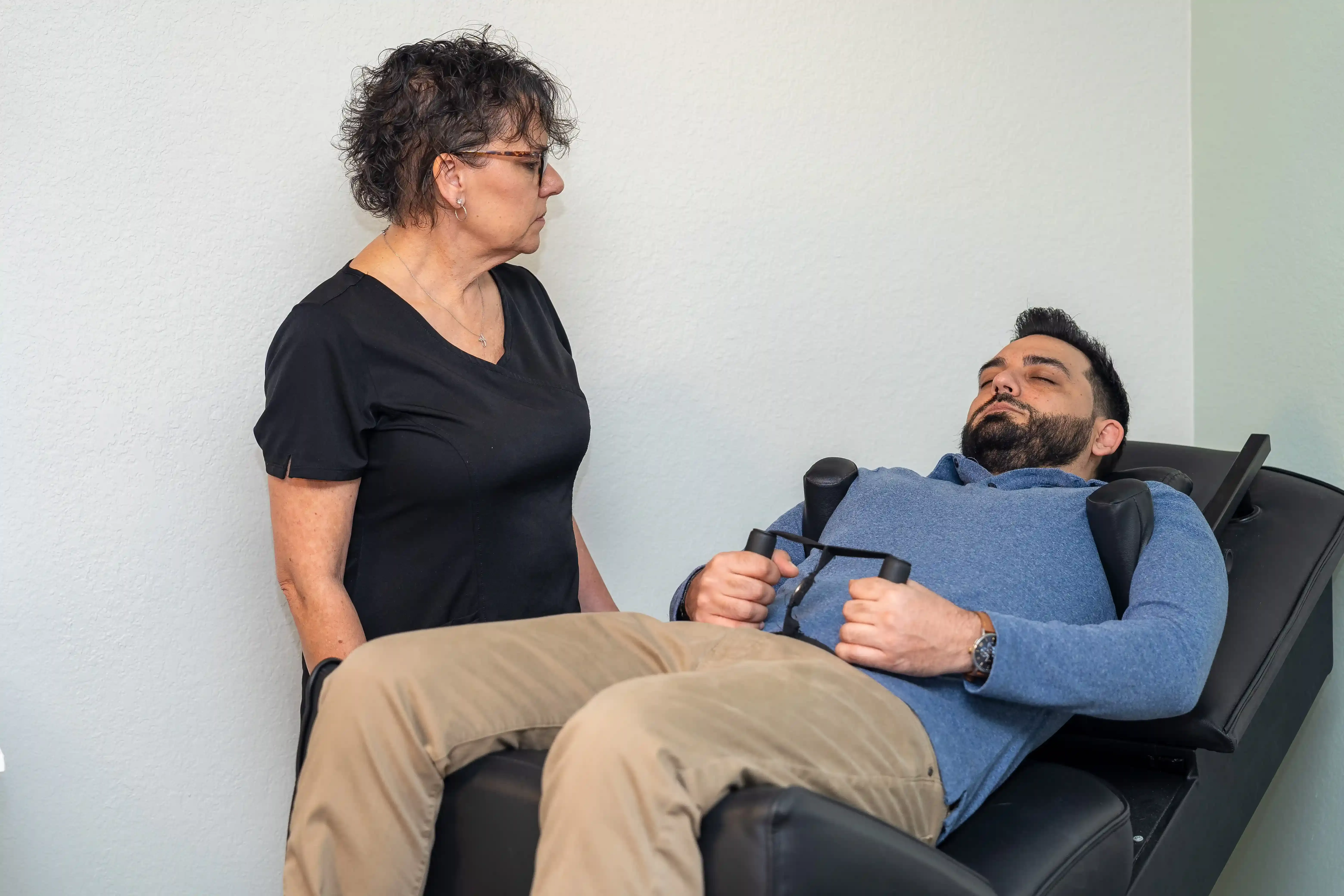
Dr. Kauffman reviews your imaging and symptoms, then selects the appropriate decompression protocol for your specific disc condition.

Non-surgical therapy that gently decompresses the spine to relieve pressure on discs and nerves for lasting pain relief.
Understanding Spinal Compression
Spinal disc problems develop gradually as discs lose hydration and structural integrity over time. A herniated or bulging disc can compress nearby spinal nerves, causing persistent lower back pain, radiating leg pain, numbness, and tingling. Many patients notice that simple tasks like bending, sitting for extended periods, or even walking become painful. The constant discomfort affects sleep quality, work productivity, and the active Southwest Florida lifestyle you value.
Spinal decompression addresses these problems by creating gentle negative pressure within the affected disc space. This controlled stretching retracts displaced disc material away from compressed nerves, reduces inflammation, and promotes nutrient-rich fluid flow into damaged discs to support healing. Most patients experience gradual pain reduction over several weeks of treatment and can return to daily activities immediately after each session, making it a practical option for those who need relief without surgical downtime.
The Science of Disc Decompression
Spinal decompression therapy is an FDA-cleared, non-surgical treatment that uses motorized traction to gently stretch the spine and create negative intradiscal pressure. This promotes retraction of herniated or bulging disc material, reduces nerve compression, and enhances nutrient diffusion into the disc to support natural healing. The treatment is widely used for patients with herniated discs, degenerative disc disease, and sciatica.
During treatment, the decompression system delivers precisely controlled distraction forces that cycle between stretching and relaxation phases. This cycling mechanism prevents the paraspinal muscles from guarding against the stretch, allowing deeper decompression of the targeted disc segment. Intradiscal pressure can be reduced to negative values, creating a vacuum effect called imbibition that draws disc material back toward center and pulls in oxygen, water, and healing nutrients. Research shows that nonsurgical spinal decompression can reduce herniated disc volume by an average of 27.6% compared to controls.
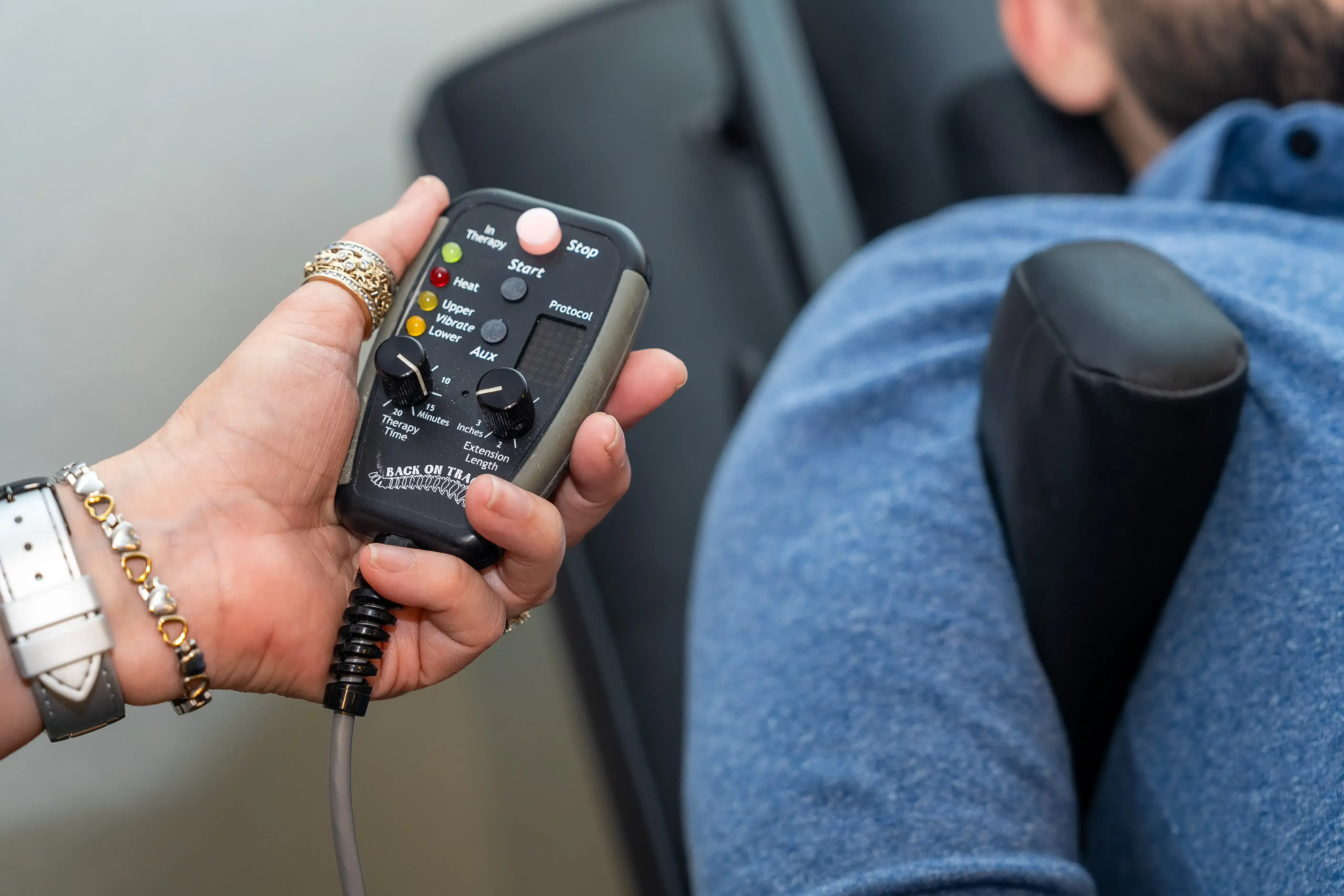
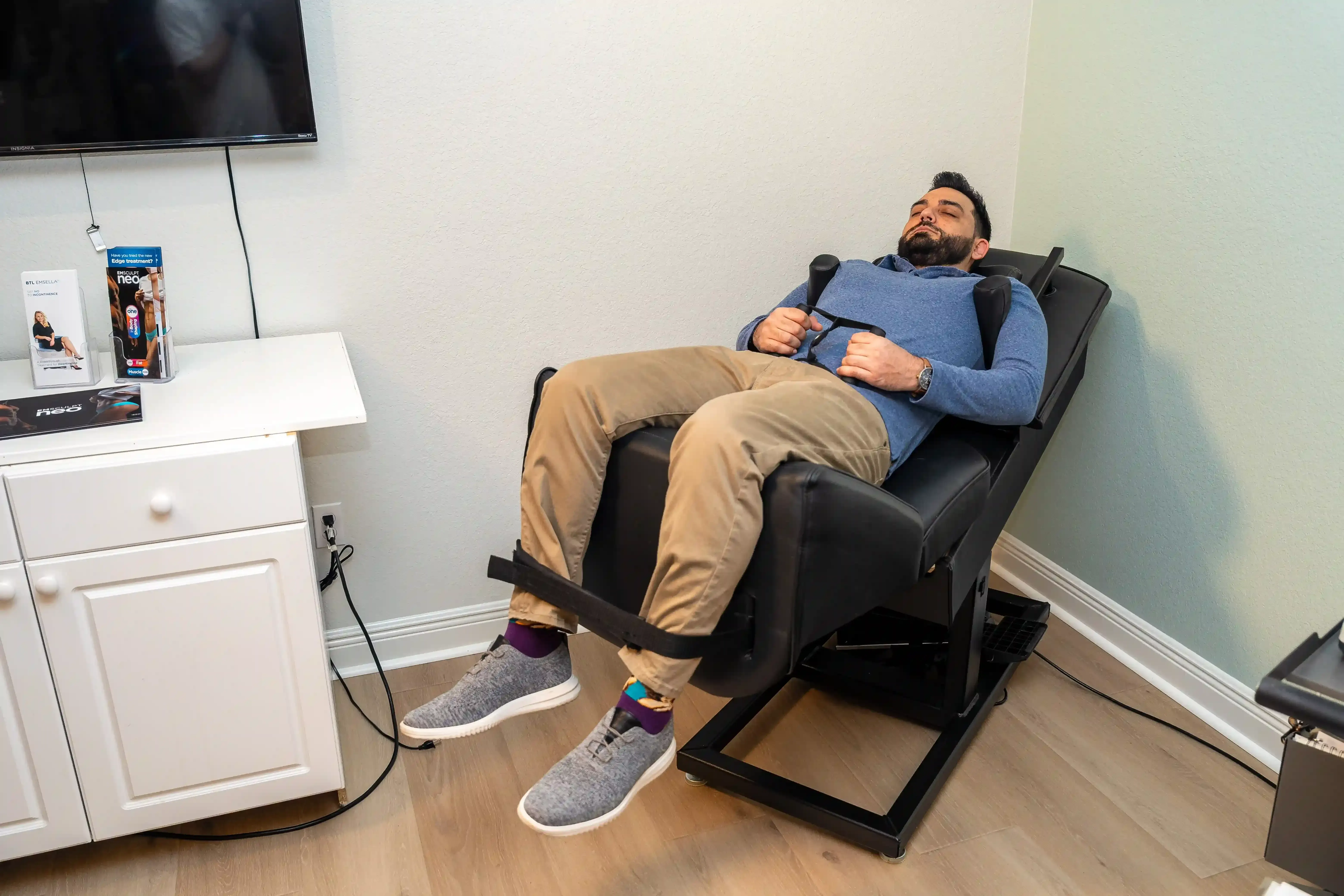
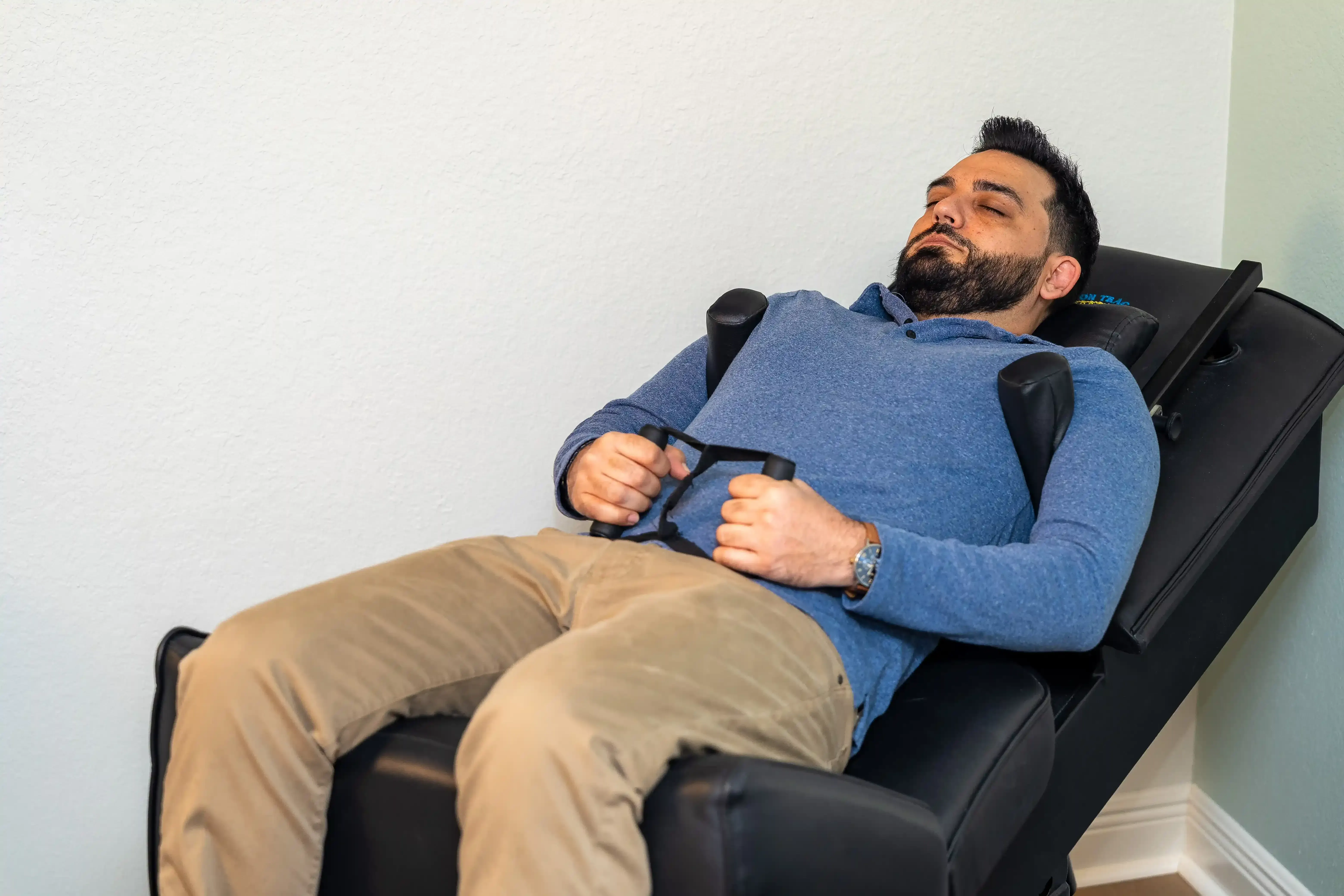
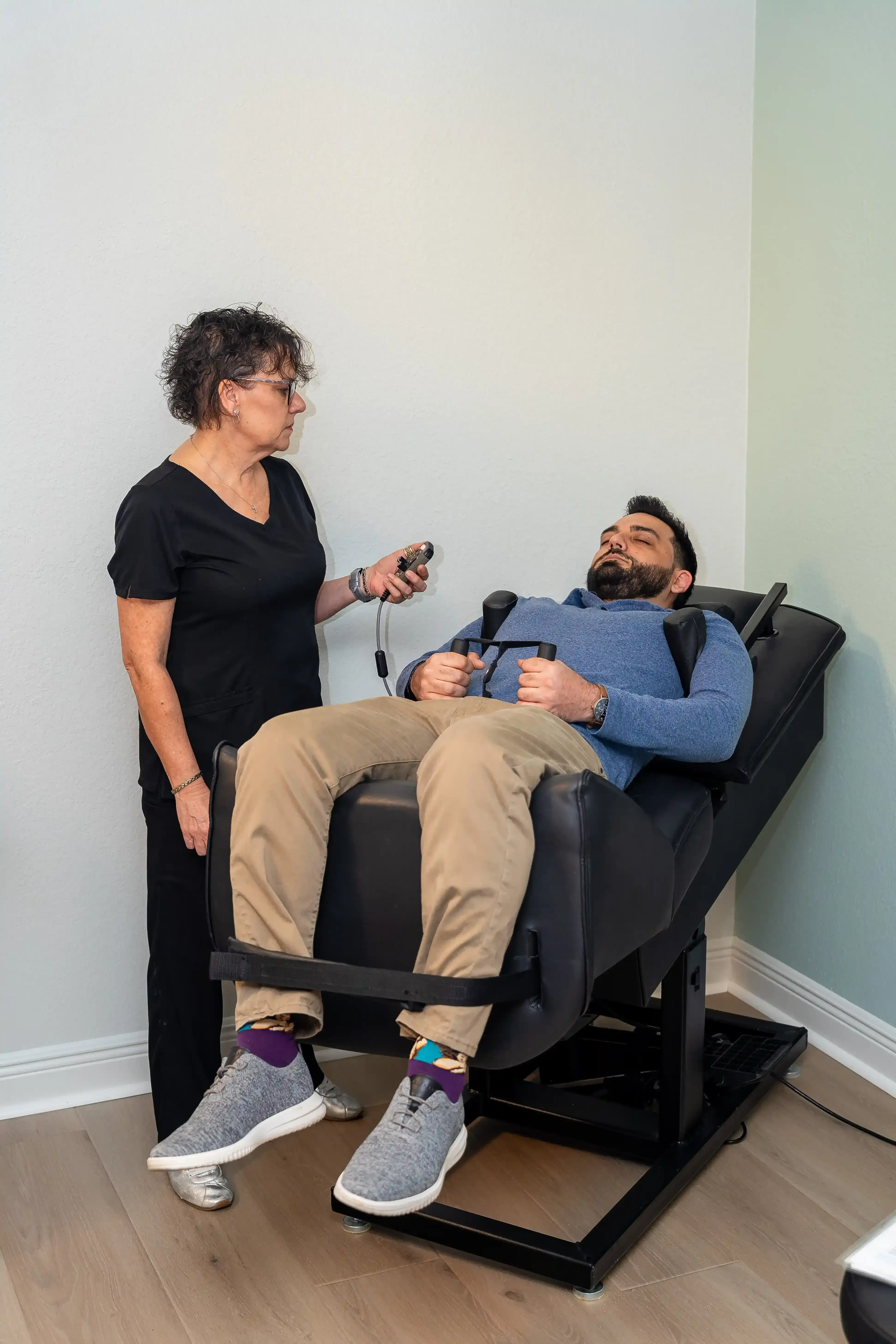
You lie comfortably on the decompression table while the system applies gentle, computer-controlled traction forces to your spine. Sessions typically last 15 to 30 minutes, and most patients find the experience relaxing. Combined with chiropractic care, spinal decompression delivers comprehensive spinal rehabilitation that addresses both disc-level compression and overall spinal alignment.
Many patients notice improvement within four to six sessions, with optimal results typically achieved after completing the full treatment course of 15 to 25 sessions over six to eight weeks. Results can last months to years when combined with proper exercise and lifestyle modifications.
Non-Surgical Pain Relief
Avoid the risks, costs, and extended recovery time associated with spinal surgery
Return to your daily activities immediately after each treatment session
Reduce dependence on pain medications and steroid injections for managing symptoms
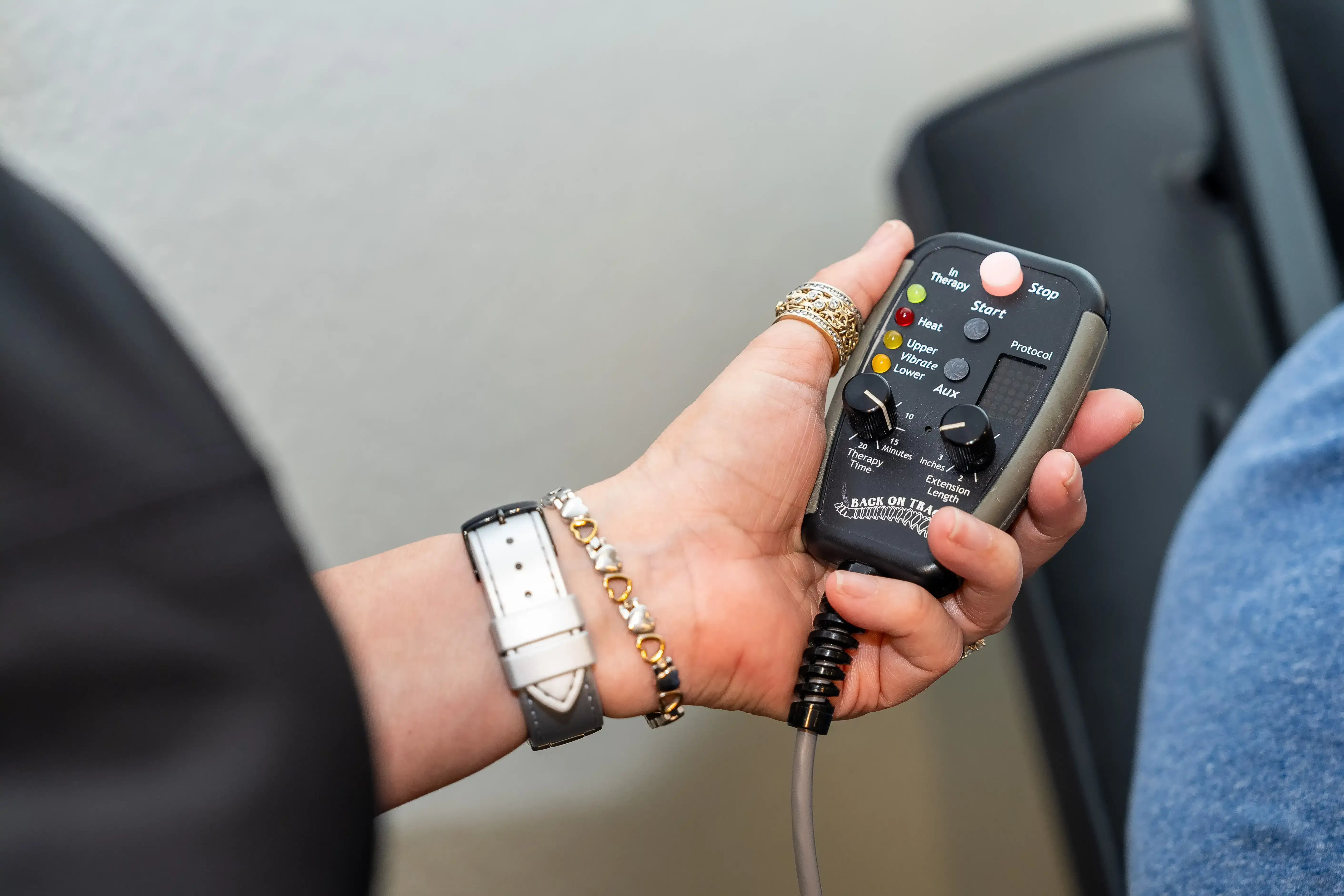
Computer-controlled traction precisely targets the affected disc level and segment
Enhances nutrient diffusion into damaged discs to support the body's repair process
Compare Your Options
| Treatment | Mechanism | Time | Results | Duration | Downtime | Best For |
|---|---|---|---|---|---|---|
| Spinal Decompression | Mechanical traction | 15-30 min/session | Gradual over weeks | Months to years | None | Disc herniations, sciatica |
| Spinal Surgery | Surgical removal/fusion | 1-4 hours | Post-recovery | Permanent (variable) | 6-12 weeks | Severe structural damage |
| Epidural Steroid Injections | Anti-inflammatory steroid | 15-30 minutes | Days to weeks | Weeks to months | 1-2 days | Acute nerve inflammation |
| Physical Therapy | Exercise rehabilitation | 45-60 min/session | Gradual over weeks | Ongoing maintenance | None | Muscle weakness, mobility |
Finding Your Path to Relief
Spinal decompression may benefit patients with disc-related pain, sciatica, or nerve compression who have not responded adequately to conservative treatments alone. During your consultation, our staff will evaluate your imaging, symptoms, and health history to determine whether spinal decompression is appropriate for your condition.
A thorough evaluation including imaging review and medical history assessment ensures that spinal decompression is safe and appropriate for your specific condition. If contraindications are present, our staff may recommend alternative approaches such as chiropractic care or regenerative medicine with PRP.
Dr. Kauffman reviews your imaging and symptoms, then selects the appropriate decompression protocol for your specific disc condition.
You lie comfortably on the decompression table while our staff secures the arm pieces and table for targeted traction.
The system delivers computer-controlled distraction forces that cycle between stretching and relaxation over 15 to 30 minutes.
Kristin assesses your response, adjusts parameters for your next session, and may recommend complementary chiropractic adjustments.
What to Know
Most patients tolerate spinal decompression very well. The most commonly reported side effect is mild muscle soreness or a dull ache after the first few sessions, similar to the feeling after a deep stretch. This typically resolves within 24 to 48 hours and diminishes as your body adjusts to treatment. Some patients may experience temporary stiffness in the treated area.
In uncommon cases, patients with radiating leg pain may notice a temporary increase in symptoms during the initial treatment phase. Muscle spasms can occur in approximately one to two percent of patients. One case report documented a severe exacerbation requiring surgical intervention, though such outcomes are exceptionally rare when proper screening protocols are followed.
Spinal decompression devices are FDA-cleared as Class II medical devices for mechanical traction therapy. The treatment has a strong safety profile when administered by trained providers. Our staff's thorough pre-treatment evaluation, including imaging review and contraindication screening, minimizes risk and ensures appropriate patient selection for decompression therapy.
Spinal decompression therapy in the Port Charlotte area is customized based on your individual spinal condition, symptoms, and overall treatment goals. The number of sessions required and the structure of your care plan will vary depending on the severity of your disc condition and how you respond to treatment. In many cases, spinal decompression is combined with other supportive therapies such as chiropractic care to enhance overall outcomes, though each plan is tailored specifically to the patient.
During your consultation, our provider will evaluate your condition and design a personalized treatment plan for you. All recommendations will be reviewed in detail so you can make informed decisions about your care.
We are primarily a cash-based office because we want your care to be determined by your needs—not by an insurance company’s limitations. Many insurance plans place strict caps on the number of visits, require specific treatment protocols, or deny certain therapies altogether, regardless of what’s clinically appropriate.
By not participating with most insurance plans, we’re able to customize your treatment plan based on what will actually help you get better, not what’s pre-approved. It also allows us to spend more time with you, use a wider range of techniques, and focus on long-term results rather than short-term, restricted care. However we are more than happy to print out proper documentation so you can submit your treatments to your insurance company for reimbursement. Evaluations related to auto accidents or workplace injuries may be covered under personal injury protection (PIP) or workers' compensation policies.
We work with patients to make spinal decompression treatment accessible and affordable. Please contact our office at (941) 629-6700 to discuss payment arrangements and learn more about your options for managing treatment costs.
Port Charlotte's Trusted Provider
Computer-controlled decompression system with automated protocols for precise treatment
Combined with chiropractic, nutrition, and functional medicine for comprehensive care
Two doctors with 35+ years combined spinal care and integrative medicine experience
Treatment plans customized to your specific disc condition, imaging, and health goals
Support your spinal recovery with these integrative treatments.

Mental wellness therapies and educational workshops for lasting vitality

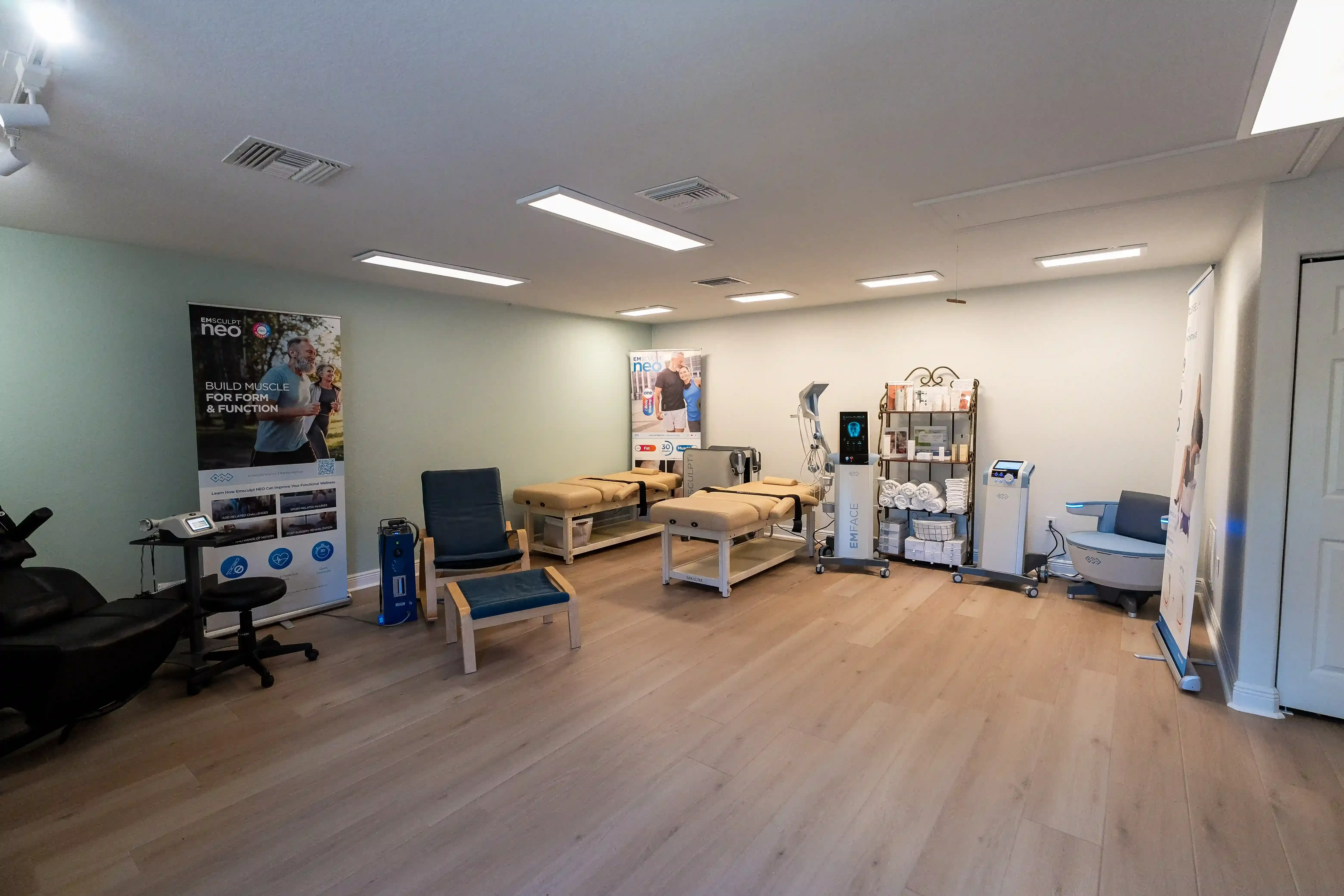
Non-invasive body sculpting, facial toning, and skin rejuvenation therapies
Your Questions Answered
Most patients require 15 to 25 sessions over six to eight weeks. Dr. Kauffman will evaluate your imaging and condition severity to recommend the appropriate number of treatments for your specific disc problem.
Most patients find spinal decompression comfortable and relaxing. You may feel a gentle stretching sensation in your spine during treatment. Mild soreness after the first few sessions is normal and typically resolves within a day or two.
Yes, and we frequently recommend it. Combining decompression with chiropractic adjustments addresses both disc-level compression and overall spinal alignment for more comprehensive results. Dr. Kauffman can incorporate both approaches into your treatment plan.
Many patients experience relief lasting months to years after completing the full treatment course. Maintaining results depends on following recommended exercises, proper posture habits, and periodic maintenance sessions as needed.
Spinal decompression is most effective for herniated discs, bulging discs, degenerative disc disease, sciatica, and spinal stenosis. Dr. Kauffman will review your imaging to confirm that decompression is appropriate for your specific diagnosis.
For many patients with disc-related conditions, spinal decompression provides meaningful relief that may eliminate or delay the need for surgical intervention. Research shows that over 75% of patients treated with spinal decompression report significant pain improvement.
Spinal decompression is generally safe for older adults when proper screening is performed. Dr. Kauffman evaluates bone density, medical history, and imaging before recommending treatment to ensure safety for each patient.