


Patient discussing unexplained weight gain concerns with provider at Arise Integrative Wellness Port Charlotte

Unexplained Weight Gain Treatment in Port Charlotte, FL

Uncover the Root Cause and Reclaim Your Health

Common In:Adults 30+
Primary Causes:Hormonal, Thyroid, Metabolic
Treatment Time:60-90 minutes
Results:4-12 weeks
Close-up visual of metabolic health assessment tools at Arise Integrative Wellness

What Is Unexplained Weight Gain?

Medically reviewed by Dr. Laura Korman, DC, DACBN and Dr. Kauffman, DC

Unexplained weight gain refers to significant, unintentional weight increases without corresponding changes in diet or physical activity, often signaling underlying hormonal, thyroid, or metabolic dysfunction. This condition results from disrupted energy homeostasis mechanisms, typically presenting as gradual weight accumulation despite consistent lifestyle habits.

When you notice the scale climbing steadily despite eating the same foods and maintaining your usual exercise routine, you're experiencing unexplained weight gain. This condition manifests as persistent weight increases-often concentrated around the midsection-that resist traditional diet and exercise approaches, leaving you frustrated and confused about what's happening to your body.

Many patients in Port Charlotte describe feeling trapped in a cycle where their efforts to lose weight seem ineffective, with some reporting weight gain even when reducing caloric intake. The emotional toll of unexplained weight changes often affects self-confidence, clothing comfort, and overall quality of life, making it difficult to engage in activities you once enjoyed.

Illustration of hormonal and metabolic pathways affecting weight at Arise Integrative Wellness Port Charlotte

Why Unexplained Weight Gain Happens

Understanding the Root Causes

Healthy metabolism depends on balanced hormones, optimal thyroid function, and efficient cellular energy pathways. Your body maintains energy homeostasis by balancing caloric intake with a basal metabolic rate that can range from 1,200 to 2,000 calories per day depending on factors like age, sex, and muscle mass. However, when endocrine disruption occurs, this delicate balance shifts dramatically.

Thyroid hormones act as your body's metabolic thermostat, regulating the rate at which cells convert nutrients into energy. When thyroid function declines-even subclinically-metabolic rate can decrease by 15-30%, causing caloric surplus and fat storage despite unchanged eating patterns. This metabolic slowdown creates a cascade where reduced energy expenditure combines with increased fat storage signaling.

The hypothalamic-pituitary-adrenal axis governs your stress response and metabolic regulation through cortisol production. Chronic stress elevates baseline cortisol levels, which directly promotes visceral fat accumulation, impairs insulin sensitivity, and triggers inflammatory pathways that further compromise metabolic function and promote weight retention.


Diagram showing insulin resistance mechanism at Arise Integrative Wellness

Insulin Resistance & Metabolic Dysfunction

How Cellular Response Affects Weight

Insulin serves as the primary hormone regulating glucose uptake and fat storage in your body's cells. Under normal conditions, insulin signals cells to absorb glucose from the bloodstream for energy use or storage. When cells become less responsive to insulin's signals-a condition called insulin resistance-the pancreas compensates by producing more insulin, creating chronically elevated insulin levels that powerfully promote fat storage, particularly around the abdomen.

Insulin resistance develops through multiple interconnected pathways, including chronic inflammation, oxidative stress, and cellular lipid accumulation that impairs insulin receptor function. This metabolic dysfunction creates a vicious cycle where elevated insulin prevents fat breakdown while simultaneously promoting fat synthesis, making weight loss increasingly difficult regardless of caloric restriction efforts.

The progression from normal insulin sensitivity to full metabolic syndrome occurs gradually, with each 5% increase in baseline weight associated with nearly a 20% greater risk of developing insulin resistance by middle age. Environmental factors including diet quality, stress levels, sleep disruption, and sedentary behavior accelerate this progression, while genetic predisposition determines individual susceptibility to insulin resistance development.

Lifestyle factors affecting metabolic health at Arise Integrative Wellness Port Charlotte

What Accelerates Unexplained Weight Gain?

Identifying Your Triggers

01

Thyroid Dysfunction

Even mild decreases in thyroid hormone production can reduce metabolic rate by 15-30%, causing caloric surplus and weight gain despite consistent eating patterns.

02

Cortisol Imbalance

Chronic stress elevates cortisol levels, which directly promotes visceral fat accumulation, increases appetite, and impairs the body's ability to access stored fat for energy.

03

Insulin Resistance

When cells become less responsive to insulin, the pancreas produces more insulin to compensate, creating chronically elevated levels that powerfully promote fat storage and prevent fat breakdown.

04

Sleep Disruption

Poor sleep quality or insufficient sleep duration disrupts leptin and ghrelin regulation, increasing hunger signals while decreasing satiety hormones and metabolic rate.

05

Hormonal Changes

Perimenopause, menopause, and andropause alter sex hormone levels, affecting fat distribution, muscle mass maintenance, and metabolic efficiency.

06

Medication Side Effects

Certain medications including antidepressants, corticosteroids, and beta-blockers can alter metabolism, increase appetite, or promote fluid retention leading to weight gain.

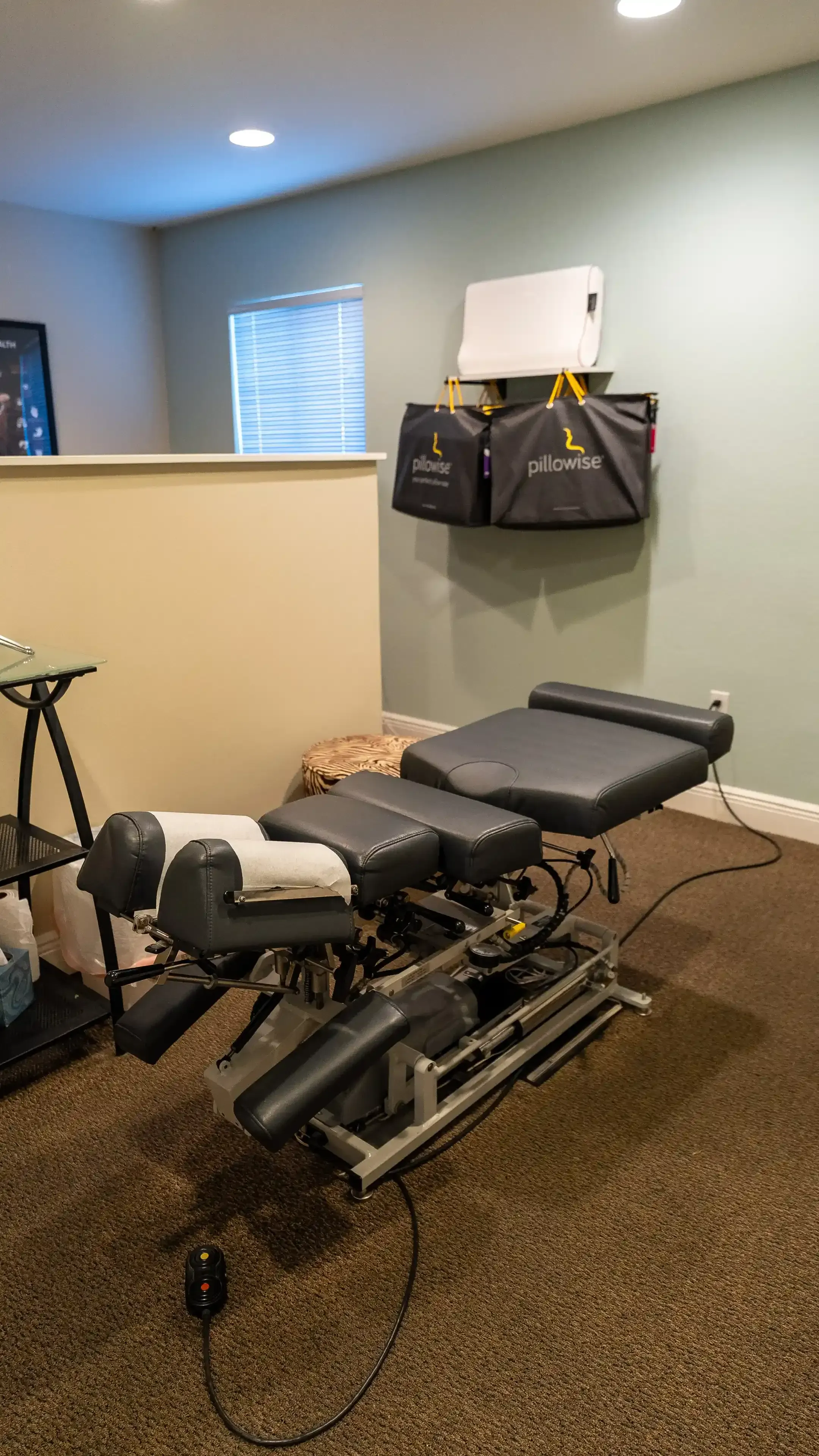
Arise Integrative Wellness clinic interior in Port Charlotte Florida

Why Choose Arise Integrative Wellness

Expert Care in Port Charlotte

  • Comprehensive Assessment
  • Personalized Treatment Plans
  • Advanced Diagnostics
  • Root-Cause Focus

Treatment Options Comparison

Finding Your Best Approach

Treatment Best For Session Time Results Timeline Maintenance
Weight Loss Programs Structured metabolic support 60-90 min 4-8 weeks Ongoing
Functional Medicine with Emsculpt Neo Supports metabolism & body composition optimization 30 min 4-6 weeks Every 3-6 months
DUTCH Test Comprehensive hormone assessment 45-60 min 2-3 weeks (results) Every 6-12 months
Patient concerned about unexplained weight changes during consultation at Arise Integrative Wellness

You May Be Experiencing Unexplained Weight Gain If...

Recognizing When to Seek Help

  • Diet-Resistant Weight
  • Midsection Accumulation
  • Persistent Fatigue
  • Increased Cravings
  • Rapid Fluctuations
  • Cold Sensitivity

Frequently Asked Questions

About Unexplained Weight Gain

01 How do I know which treatment is right for my specific weight concerns?

A comprehensive metabolic and hormonal assessment evaluates your individual biochemistry, including thyroid function, insulin sensitivity, cortisol patterns, and sex hormones. This testing reveals which specific imbalances are driving your weight gain, allowing us to recommend the most targeted and effective treatment approach for your unique situation.

02 How quickly will I see improvement after starting treatment?

Many patients notice improvements in energy levels, mood stability, and reduced cravings within the first 2-4 weeks as hormonal balance begins restoring. Visible weight changes typically emerge over 4-12 weeks as metabolic function improves, though individual timelines vary based on the severity of underlying imbalances and treatment approach.

03 Could my thyroid be causing my weight gain even if my labs are normal?

Standard thyroid panels often only test TSH and sometimes T4, which may miss subclinical dysfunction or conversion issues affecting active thyroid hormone levels. Comprehensive thyroid testing evaluates TSH, free T3, free T4, reverse T3, and thyroid antibodies, often revealing imbalances that explain weight resistance despite 'normal' basic screening results.

04 Can stress really cause significant weight gain?

Chronic stress elevates cortisol levels, which directly promotes visceral fat storage around the abdomen, increases appetite particularly for carbohydrates, impairs insulin sensitivity, and disrupts sleep quality. Research confirms that HPA axis dysregulation and altered cortisol patterns play a significant role in obesity development, particularly in stress-prone individuals.

05 Why do calorie restriction and exercise sometimes make my weight gain worse?

Severe caloric restriction can further suppress thyroid function and metabolic rate as your body enters conservation mode, while excessive exercise without adequate recovery elevates cortisol and promotes muscle breakdown. Addressing underlying hormonal imbalances first allows your body to respond appropriately to healthy nutrition and movement interventions.

06 What is the connection between insulin resistance and unexplained weight gain?

Insulin resistance occurs when cells fail to respond normally to insulin, causing the pancreas to produce more insulin to achieve the same glucose control. These chronically elevated insulin levels powerfully promote fat storage while preventing fat breakdown, creating a metabolic state where weight loss becomes increasingly difficult regardless of caloric intake.

07 How do hormonal changes during perimenopause affect weight?

Declining estrogen levels during perimenopause alter fat distribution patterns, reduce metabolic rate, affect insulin sensitivity, and can increase visceral fat accumulation. These hormonal shifts often coincide with changes in sleep quality, stress resilience, and muscle mass maintenance, all of which compound weight management challenges during this transition.

08 Can medications contribute to unexplained weight gain?

Certain medications including some antidepressants, corticosteroids, beta-blockers, antipsychotics, and diabetes medications can affect metabolism, increase appetite, alter insulin sensitivity, or promote fluid retention. If you suspect medication-related weight gain, we can evaluate alternatives with your prescribing physician while addressing any underlying metabolic effects.

Location16954 Toledo Blade Blvd
Port Charlotte, FL, 33954

Schedule Your Consultation

Scientific References

  1. PubMed (PMID: 29939616) - Insulin resistance is a pathological condition in which cells fail to respond normally to insulin, driven primarily by dysfunction in liver, skeletal muscle, and adipose tissue.
  2. PubMed (PMID: 27345309) - Stress and cortisol responsiveness play a significant role in identifying individuals prone to obesity, with chronic cortisol elevation promoting visceral fat accumulation.
  3. PubMed (PMID: 26356039) - Systematic review confirming hypothalamic-pituitary-adrenal axis dysregulation and altered cortisol activity in obesity, linking chronic stress to metabolic dysfunction.
  4. PubMed (PMID: 27366725) - Hypothyroidism and obesity share an intriguing bidirectional link, with thyroid dysfunction reducing metabolic rate and promoting weight gain while excess adiposity alters thyroid hormone levels.
  5. PubMed (PMID: 9773723) - Each 5 percent increase in weight over baseline is associated with nearly a 20 percent greater risk of developing insulin resistance syndrome by middle age.