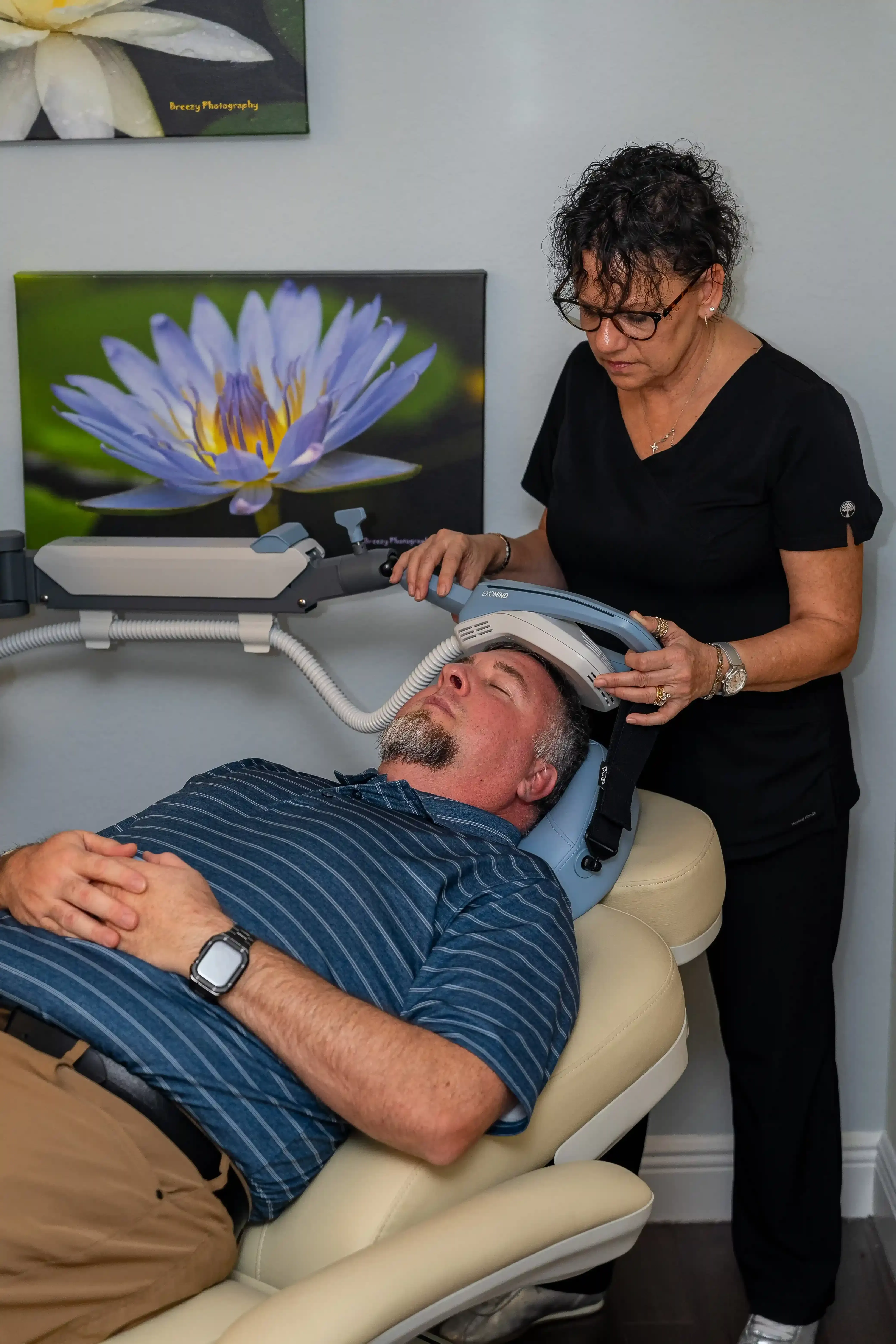



Person finding hope through depression treatment at Arise Integrative Wellness Port Charlotte

Depression Support in Port Charlotte, FL

Reclaim Your Vitality and Joy

Common In:Adults 18+
Primary Causes:Neurochemical, Genetic, Lifestyle
Treatment Time:20-40 minutes
Results:2-6 weeks
Understanding depression and its effects on daily life at Arise Integrative Wellness Port Charlotte

What Is Depression?

Medically reviewed by Dr. Laura Korman, DC, DACBN and Dr. Kauffman, DC

Depression is a clinical mood disorder characterized by persistent disruptions in neurotransmitter signaling, particularly affecting serotonin, norepinephrine, and dopamine pathways within the brain's prefrontal cortex and limbic system. Major depressive disorder (MDD) represents more than temporary sadness-it reflects measurable changes in brain chemistry and neural circuit function that impair emotional regulation and cognitive processing.

When you experience depression, you may notice persistent feelings of emptiness, loss of interest in activities that once brought joy, changes in sleep and appetite, difficulty concentrating, and a pervasive sense that things will never improve. These aren't character flaws or signs of weakness-they're symptoms of a treatable neurological condition affecting millions of Americans.

Many patients describe feeling disconnected from themselves and others, as though they're moving through life behind a heavy fog. Even routine tasks can feel overwhelming, and the energy required for social interactions or self-care may seem impossible to summon. At Arise Integrative Wellness, we understand that depression affects your whole being-mind, body, and spirit.

Illustration of neurochemical pathways involved in depression at Arise Integrative Wellness Port Charlotte

Why Depression Happens

Understanding the Root Causes

Depression originates from disruptions in neurotransmitter signaling within the prefrontal cortex and limbic system-brain regions responsible for mood regulation, emotional processing, and executive function. In healthy brains, neurotransmitters like serotonin, norepinephrine, and dopamine maintain balanced communication between neurons. When production, release, or receptor sensitivity of these chemical messengers becomes impaired, mood regulation suffers.

This neurochemical imbalance creates a cascade effect throughout multiple brain systems. Reduced serotonin activity affects emotional stability and sleep regulation. Dopamine pathway disruption diminishes motivation and pleasure response-a phenomenon called anhedonia. Norepinephrine deficiency contributes to fatigue, poor concentration, and reduced stress resilience. Together, these changes produce the constellation of symptoms patients recognize as depression.

Approximately 90% of the body's serotonin is produced in the gastrointestinal tract, which means gut health directly influences brain chemistry through the gut-brain axis. This bidirectional communication pathway explains why digestive issues, inflammatory bowel conditions, and nutritional deficiencies can trigger or worsen depressive symptoms. At functional medicine consultations, we investigate these interconnected systems to identify root causes beyond brain chemistry alone.

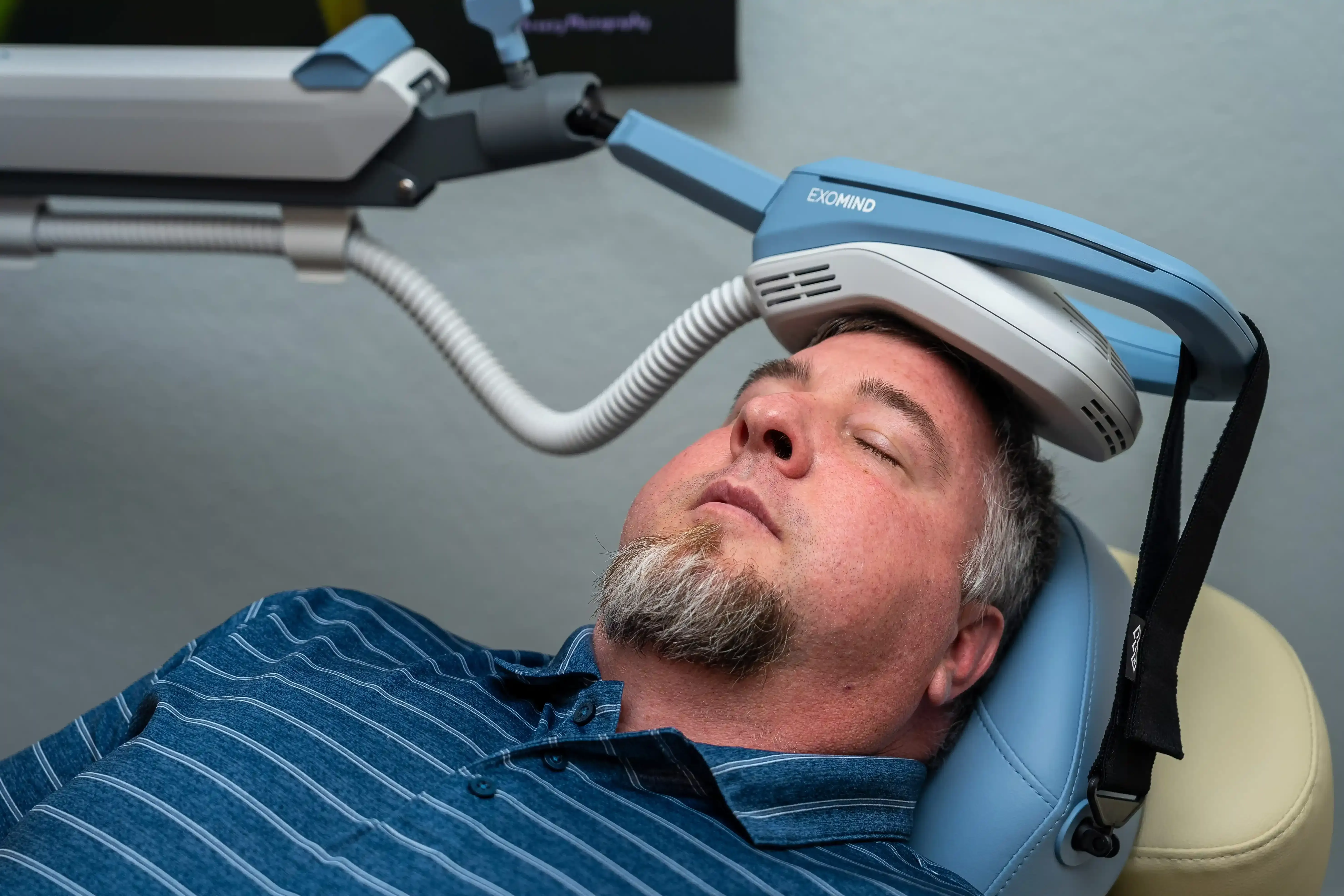
Diagram showing the gut-brain axis connection at Arise Integrative Wellness Port Charlotte

The Gut-Brain Connection

How Your Gut Influences Your Mood

The gut-brain axis is a bidirectional communication network linking your enteric nervous system (the complex neural network throughout your digestive tract) to your central nervous system. Your gut microbiome-the trillions of bacteria residing in your intestines-produces neurotransmitters including serotonin, GABA, and dopamine, while also regulating inflammation levels that affect brain function.

When gut barrier integrity becomes compromised (a condition called increased intestinal permeability or "leaky gut"), inflammatory molecules can enter systemic circulation and cross the blood-brain barrier. This neuroinflammation disrupts neurotransmitter production and signaling, contributing to depressive symptoms. Research demonstrates that patients with major depressive disorder show distinct gut microbiome patterns compared to healthy controls, suggesting that gut dysbiosis may be both a contributor and consequence of depression.

Nutritional deficiencies further compound this relationship. Inadequate levels of B vitamins (particularly B6, B12, and folate), vitamin D, magnesium, omega-3 fatty acids, and amino acids like tryptophan (serotonin's precursor) impair the body's ability to produce mood-regulating neurotransmitters. Our diagnostic testing can identify these deficiencies, allowing us to address nutritional contributors to depression through targeted supplementation and dietary modifications.

Lifestyle and biological factors contributing to depression at Arise Integrative Wellness Port Charlotte

What Contributes to Depression?

Identifying Your Triggers

01

Neurochemical Imbalance

Disruptions in serotonin, norepinephrine, and dopamine production or receptor sensitivity impair mood regulation and emotional processing.

02

Genetic Predisposition

Family history increases risk by 40-50% through inherited variations in genes controlling neurotransmitter synthesis, transport, and metabolism.

03

Chronic Stress

Prolonged cortisol elevation damages hippocampal neurons, impairs neuroplasticity, and disrupts the hypothalamic-pituitary-adrenal (HPA) axis.

04

Inflammation

Systemic and neuroinflammation from autoimmune conditions, gut dysbiosis, or metabolic syndrome alters neurotransmitter pathways and reduces neurogenesis.

05

Hormonal Changes

Thyroid dysfunction, sex hormone imbalances, and cortisol dysregulation directly affect mood-regulating brain regions and neurotransmitter production.

06

Sleep Disruption

Chronic poor sleep quality impairs serotonin synthesis, reduces REM cycle effectiveness, and prevents essential neural repair processes.

Arise Integrative Wellness clinic interior in Port Charlotte Florida

Why Choose Arise Integrative Wellness

Expert Care in Port Charlotte

  • Root-Cause Investigation
  • Integrative Treatment Plans
  • Advanced Neuromodulation
  • Whole-Person Approach

Treatment Options Comparison

Finding Your Best Approach

Treatment Best For Session Time Results Timeline Maintenance
TMS Therapy (Exomind) Treatment-resistant depression 20-30 min 2-4 weeks As needed
Functional Medicine Root-cause identification 45-60 min 4-8 weeks Quarterly reviews
Telehealth Consultation Ongoing support & monitoring 20-40 min Varies As scheduled
Person recognizing signs of depression seeking help at Arise Integrative Wellness Port Charlotte

You May Be Experiencing Depression If...

Recognizing When to Seek Help

  • Persistent Low Mood
  • Loss of Interest
  • Energy Depletion
  • Sleep Changes
  • Appetite Shifts
  • Concentration Problems

Frequently Asked Questions

About Depression Support

01 What is TMS therapy and how does it help with depression?

TMS (Transcranial Magnetic Stimulation) uses targeted magnetic pulses to stimulate underactive regions of the brain associated with mood regulation, particularly the left dorsolateral prefrontal cortex. This non-invasive treatment modulates neural activity and promotes neuroplasticity without medication side effects, making it especially valuable for treatment-resistant depression.

02 Can depression have physical causes beyond mental health?

Yes. Depression frequently involves underlying physical contributors including thyroid dysfunction, vitamin D deficiency, B-vitamin insufficiency, chronic inflammation, gut dysbiosis, hormone imbalances, and autoimmune conditions. Our functional medicine approach investigates these physiological factors to address root causes rather than simply managing symptoms.

03 How do I know which depression treatment is right for me?

We begin with a comprehensive evaluation including health history, lifestyle factors, previous treatment responses, and diagnostic testing to identify contributing factors. Your personalized treatment plan may combine TMS therapy with Exomind, nutritional support, hormone optimization, or other modalities based on your unique situation and treatment goals.

04 Can diet and nutrition affect depression symptoms?

Research consistently shows nutritional status significantly impacts mental health. Deficiencies in omega-3 fatty acids, B vitamins, vitamin D, magnesium, and amino acids impair neurotransmitter production. The gut microbiome produces approximately 90% of the body's serotonin, making gut health fundamental to mood regulation. Our nutrition counseling addresses these factors through targeted dietary modifications and supplementation.

05 Is depression related to other conditions like anxiety or sleep problems?

Depression commonly co-occurs with anxiety treatment needs and sleep problems. These conditions share overlapping neurochemical pathways and often influence each other—poor sleep worsens depression, depression disrupts sleep quality, and anxiety amplifies both. Our integrative approach addresses these interconnected conditions simultaneously for more effective outcomes.

06 How quickly will I see improvement with treatment?

Response timelines vary based on depression severity, contributing factors, and treatment modalities. TMS therapy typically shows initial improvements within 2-4 weeks, while functional medicine interventions addressing nutritional and hormonal factors may take 4-8 weeks for noticeable changes. Many patients report gradual improvements in energy, sleep quality, and motivation before mood elevation becomes apparent.

07 Can I access depression support through virtual consultations?

Yes. Our telehealth consultation services allow you to discuss symptoms, review lab results, adjust treatment plans, and receive ongoing support from the comfort of home. While some treatments like TMS require in-person visits, much of the functional medicine and nutritional counseling can be delivered virtually for convenient, accessible care.

08 When should I seek professional help for depression?

Consider professional evaluation if you experience persistent low mood lasting more than two weeks, loss of interest in previously enjoyed activities, changes in sleep or appetite, difficulty concentrating, social withdrawal, or thoughts of self-harm. Early intervention prevents symptom progression and improves treatment outcomes. Schedule a consultation to discuss your concerns with our integrative care team.

Location16954 Toledo Blade Blvd
Port Charlotte, FL, 33954

Schedule Your Consultation

Scientific References

  1. PubMed (PMID: 29450462) - Epidemiology of adult DSM-5 major depressive disorder and its specifiers in the United States found lifetime MDD prevalence of 20.6% with significant demographic variation.
  2. PubMed (PMID: 36326400) - Systematic review confirming efficacy of transcranial magnetic stimulation in treatment-resistant depression, demonstrating significant improvement over sham controls.
  3. PubMed (PMID: 36272761) - Analysis of U.S. depression prevalence trends from 2015-2020 revealing increasing rates and a widening treatment gap across demographic groups.
  4. PubMed (PMID: 30804982) - The gut-brain axis and its influence on mood and mental health, establishing the role of gut microbiota in neurotransmitter production and mood regulation.
  5. PubMed (PMID: 26578057) - The gut-brain axis as the missing link in depression, demonstrating bidirectional communication between gut microbiome and central nervous system in mood disorders.