



Patient receiving stubborn fat treatment consultation at Arise Integrative Wellness Port Charlotte

Stubborn Fat Treatment in Port Charlotte, FL

Targeted Solutions for Diet-Resistant Fat

Common In:Adults 30+
Primary Causes:Genetics, Hormones, Aging
Treatment Time:30-60 minutes
Results:Visible in 4-12 weeks
Educational overview of stubborn fat distribution and biology at Arise Integrative Wellness

What Is Stubborn Fat?

Medically reviewed by Dr. Laura Korman, DC, DACBN and Dr. Kauffman, DC

Stubborn fat refers to localized deposits of subcutaneous adipose tissue that resist reduction through conventional diet and exercise approaches. These persistent fat accumulations result from a higher concentration of alpha-2 adrenergic receptors in certain body regions, which actively inhibit fat breakdown even during caloric restriction and regular physical activity.

When you consistently follow a healthy diet and maintain regular exercise but notice specific areas - such as the abdomen, flanks, thighs, or upper arms - that refuse to change, you're experiencing the biological phenomenon of stubborn fat. These areas maintain their volume and appearance regardless of your overall weight loss success.

Many patients describe feeling frustrated or defeated by these resistant fat deposits, particularly when they've made significant lifestyle changes that improved their overall health but left these problem areas unchanged. This selective fat retention is not a reflection of willpower or effort, but rather a complex biological reality rooted in cellular receptor biology and hormonal regulation.

Illustration of hormonal and genetic factors contributing to stubborn fat at Arise Integrative Wellness Port Charlotte

Why Stubborn Fat Persists

Understanding the Root Causes

The biological mechanism behind stubborn fat involves the ratio of adrenergic receptors in adipocytes (fat cells). While beta-adrenergic receptors promote fat breakdown in response to hormones like adrenaline, alpha-2 adrenergic receptors actively suppress lipolysis (fat release). Stubborn fat zones contain a significantly higher ratio of alpha-2 to beta receptors - often 4:1 or greater - compared to easier-to-lose fat areas which may have a 1:1 or even reversed ratio favoring beta receptors.

This receptor imbalance creates a biological resistance to fat mobilization, particularly during the later phases of weight loss when the body protects these evolutionarily-important energy reserves. Blood flow to stubborn fat areas is also typically reduced compared to other body regions, further limiting the delivery of hormones that would normally signal fat breakdown and the removal of released fatty acids into circulation.

Insulin sensitivity in stubborn fat depots tends to be paradoxically high, meaning these areas readily store incoming calories as fat but resist releasing stored energy. This creates a metabolic trap where the fat cells in these regions preferentially capture and retain lipids while simultaneously blocking the hormonal signals that would trigger fat breakdown and energy release.

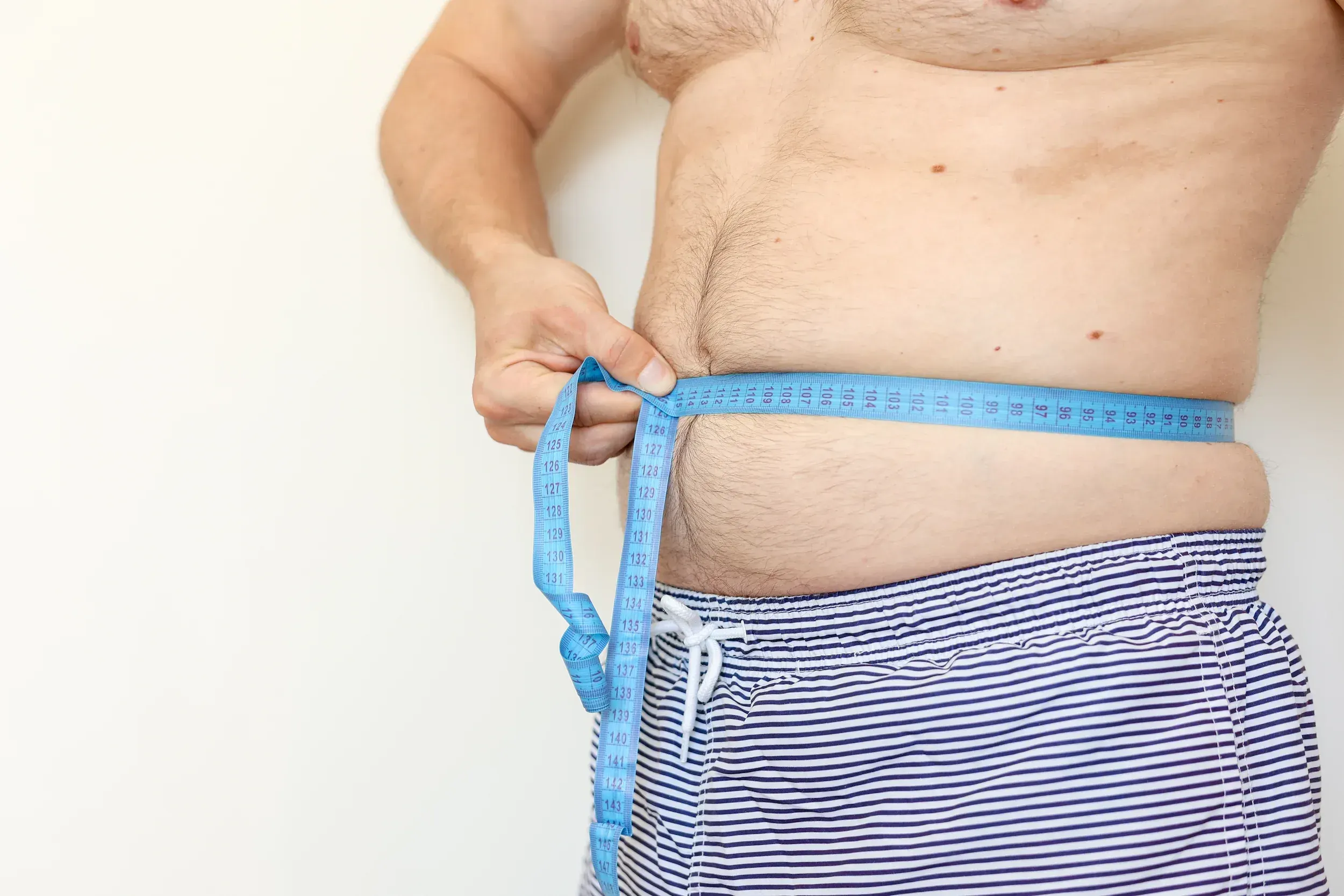
Diagram explaining metabolic and hormonal factors behind resistant fat at Arise Integrative Wellness

Hormonal Influences on Fat Distribution

How Hormones Determine Fat Storage Patterns

Sex hormones, particularly estrogen and testosterone, play a primary role in determining where your body preferentially stores fat. Estrogen promotes gluteofemoral fat storage (hips, thighs, buttocks) as an evolutionary adaptation for reproductive energy reserves, while testosterone influences android (abdominal) fat distribution patterns. These hormonal influences explain why men and women typically accumulate stubborn fat in different anatomical regions.

As hormonal levels decline with age - estrogen during perimenopause and menopause, testosterone in both sexes after age 30 - the body's fat distribution patterns shift, often increasing stubborn fat deposits in new areas. Growth hormone, which promotes fat mobilization and muscle maintenance, also decreases significantly with aging, reducing the body's natural ability to access stored fat for energy and compounding the stubborn fat problem.

Cortisol, the stress hormone, has a complex relationship with fat storage and can promote visceral and subcutaneous abdominal fat accumulation when chronically elevated. Thyroid hormones regulate overall metabolic rate and influence how efficiently your body can mobilize fat reserves. At Arise Integrative Wellness, Dr. Korman evaluates these hormonal contributors through comprehensive diagnostic testing to identify metabolic barriers to fat loss.

Lifestyle and biological factors contributing to stubborn fat at Arise Integrative Wellness Port Charlotte

What Makes Fat Stubborn?

Identifying Your Triggers

01

Genetic Fat Distribution

Your inherited receptor ratio determines which body regions preferentially store and protect fat, explaining why stubborn areas often match family patterns.

02

Hormonal Imbalance

Declining estrogen, testosterone, or thyroid hormones shift fat storage patterns and reduce your body's natural fat-mobilization capacity.

03

Insulin Resistance

Elevated insulin levels suppress fat breakdown body-wide while promoting continued fat storage, creating a metabolic barrier to fat loss.

04

Age-Related Changes

Decreasing growth hormone and metabolic rate after age 30 reduce your body's ability to access stored fat for energy, making existing deposits more resistant.

05

Previous Weight Cycling

Repeated cycles of weight loss and regain can upregulate alpha-2 receptors in stubborn areas, making subsequent fat loss progressively more difficult.

06

Chronic Stress

Persistently elevated cortisol promotes fat storage in the abdominal region and can interfere with growth hormone release that normally facilitates fat mobilization.

Arise Integrative Wellness clinic interior in Port Charlotte Florida

Why Choose Arise Integrative Wellness

Expert Care in Port Charlotte

  • Integrative Approach
  • Root-Cause Analysis
  • Advanced Technology
  • Personalized Plans

Treatment Options Comparison

Finding Your Best Approach

Treatment Best For Session Time Results Timeline Maintenance
Functional Medicine with Emsculpt Neo Fat reduction & muscle toning 30 minutes 2-4 weeks Every 3-6 months
Weight Loss Programs Metabolic optimization & sustainable fat loss Ongoing Progressive over 4-12 weeks Nutritional guidance and monitoring
Cellulite Reduction (Cellutone) Improving skin texture in stubborn fat areas 30 minutes 2-4 weeks Monthly sessions
Person evaluating stubborn fat areas at Arise Integrative Wellness Port Charlotte

You May Be Experiencing Stubborn Fat If...

Recognizing When to Seek Help

  • Persistent Problem Areas
  • Diet Plateau
  • Exercise Without Results
  • Genetic Pattern Recognition
  • Post-Weight Loss Frustration
  • Clothing Fit Issues

Frequently Asked Questions

About Stubborn Fat

01 Why does stubborn fat not respond to diet and exercise?

Stubborn fat deposits contain a higher concentration of alpha-2 adrenergic receptors that actively suppress fat breakdown, even during caloric restriction. This biological resistance, combined with reduced blood flow to these areas, creates zones that protect their fat stores despite your overall weight loss efforts.

02 How does Emsculpt Neo reduce stubborn fat?

Emsculpt Neo combines high-intensity focused electromagnetic energy (HIFEM) with radiofrequency to simultaneously trigger fat cell breakdown while building muscle tissue in the treatment area. Clinical studies demonstrate an average 30% fat reduction and 25% muscle increase in treated regions.

03 How many treatments will I need to see results?

The standard Emsculpt Neo protocol consists of four 30-minute sessions over two weeks. Most patients notice visible changes at 4-8 weeks post-treatment, with peak results appearing at three months as the body continues processing released fat and building muscle tissue.

04 Can hormonal imbalances contribute to stubborn fat?

Yes, declining estrogen, testosterone, thyroid hormones, and growth hormone all influence fat distribution and your body's ability to mobilize stored fat. Dr. Korman can evaluate hormonal factors through comprehensive testing to identify metabolic barriers that may require treatment alongside body contouring.

05 Is stubborn fat the same as cellulite?

While related, they are different concerns. Stubborn fat refers to resistant adipose deposits, while cellulite involves the structural appearance of fat pressing through connective tissue. Both can coexist in the same areas and may benefit from combined treatment approaches.

06 Will the fat return after treatment?

Emsculpt Neo causes permanent fat cell elimination through apoptosis. However, remaining fat cells can still enlarge with weight gain. Maintaining a stable weight through nutrition and regular activity helps preserve your body contouring results long-term.

07 Can stress make stubborn fat worse?

Chronic stress elevates cortisol levels, which can promote abdominal fat storage and interfere with growth hormone release that normally facilitates fat mobilization. Stress management is an important component of comprehensive stubborn fat treatment.

08 Are there areas that cannot be treated?

Emsculpt Neo is FDA-cleared for abdomen, flanks, buttocks, thighs, arms, and calves. Other stubborn fat areas may benefit from nutritional optimization and hormonal balance through our weight loss programs. A consultation helps determine the best approach for your specific concerns.

Location16954 Toledo Blade Blvd
Port Charlotte, FL, 33954

Schedule Your Consultation

Scientific References

  1. PubMed (PMID: 3034620) - Heterogeneous distribution of beta and alpha-2 adrenoceptor binding sites in human fat cells from various fat deposits demonstrates regional variation in adrenergic receptor density that determines fat mobilization resistance.
  2. PubMed (PMID: 35143333) - Comprehensive review of beta-adrenergic receptor evolution in adipose tissue biology confirms receptor subtype distribution as a primary determinant of regional fat storage and lipolysis patterns.
  3. PubMed (PMID: 37957393) - Systematic review of HIFEM with and without radiofrequency for noninvasive body contouring found mean fat thickness reduction of 8.0 mm and mean muscle thickness increase of 5.5 mm across clinical studies.
  4. PubMed (PMID: 36688862) - Systematic review of electromagnetic treatments for body contouring confirmed safety profile of HIFEM and combined HIFEM-RF therapies with consistent subcutaneous fat reduction across treatment protocols.
  5. PubMed (PMID: 29524305) - Clinical evaluation of simultaneously applied monopolar radiofrequency and targeted pressure energy demonstrated 54% improvement in tissue appearance after four treatment sessions in postpubertal women.
  6. PubMed (PMID: 9403318) - Research on hormonal control of regional fat distribution confirms that sex steroids, cortisol, and insulin are primary determinants of body fat topography and regional adipose tissue metabolism.