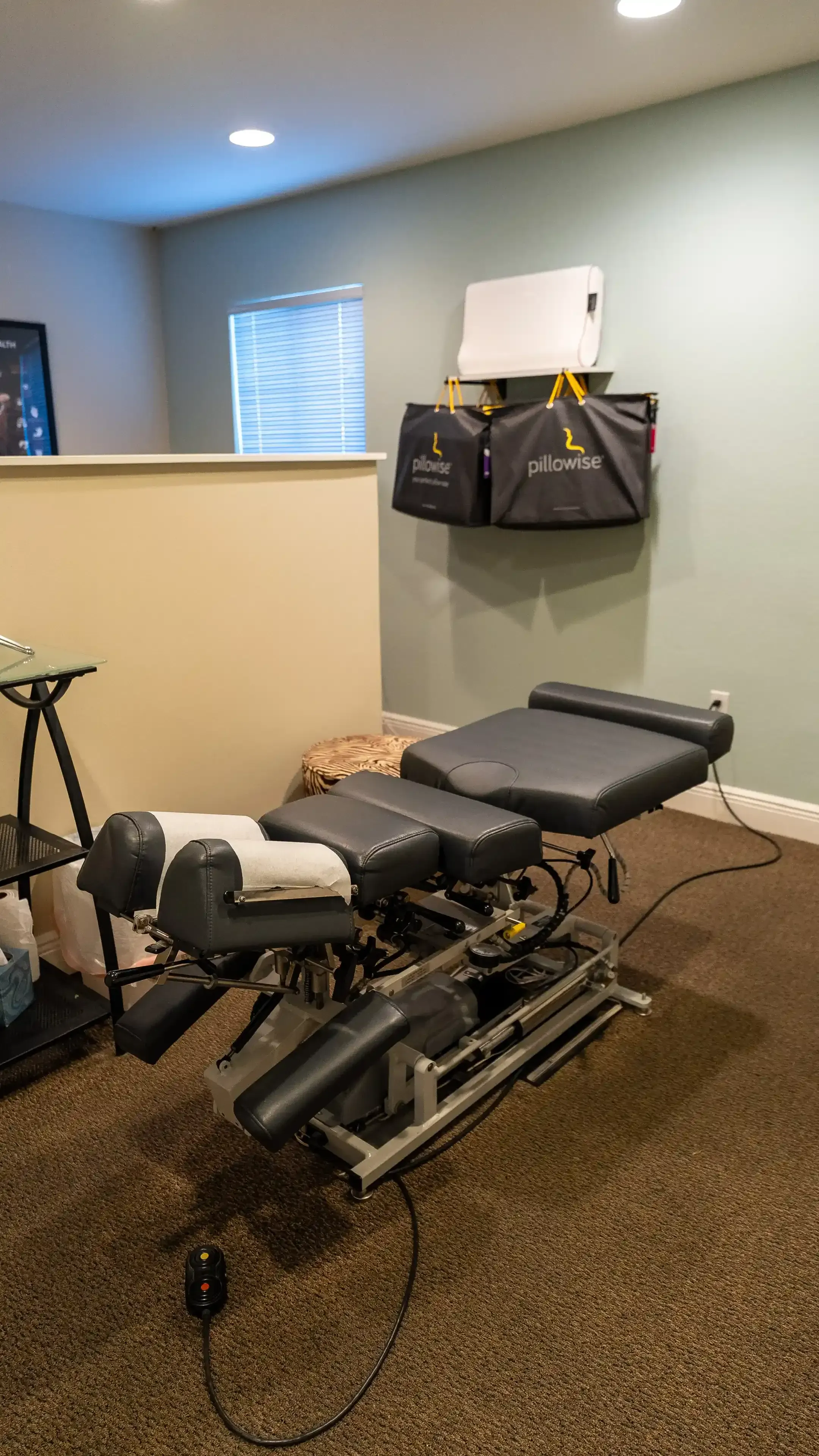


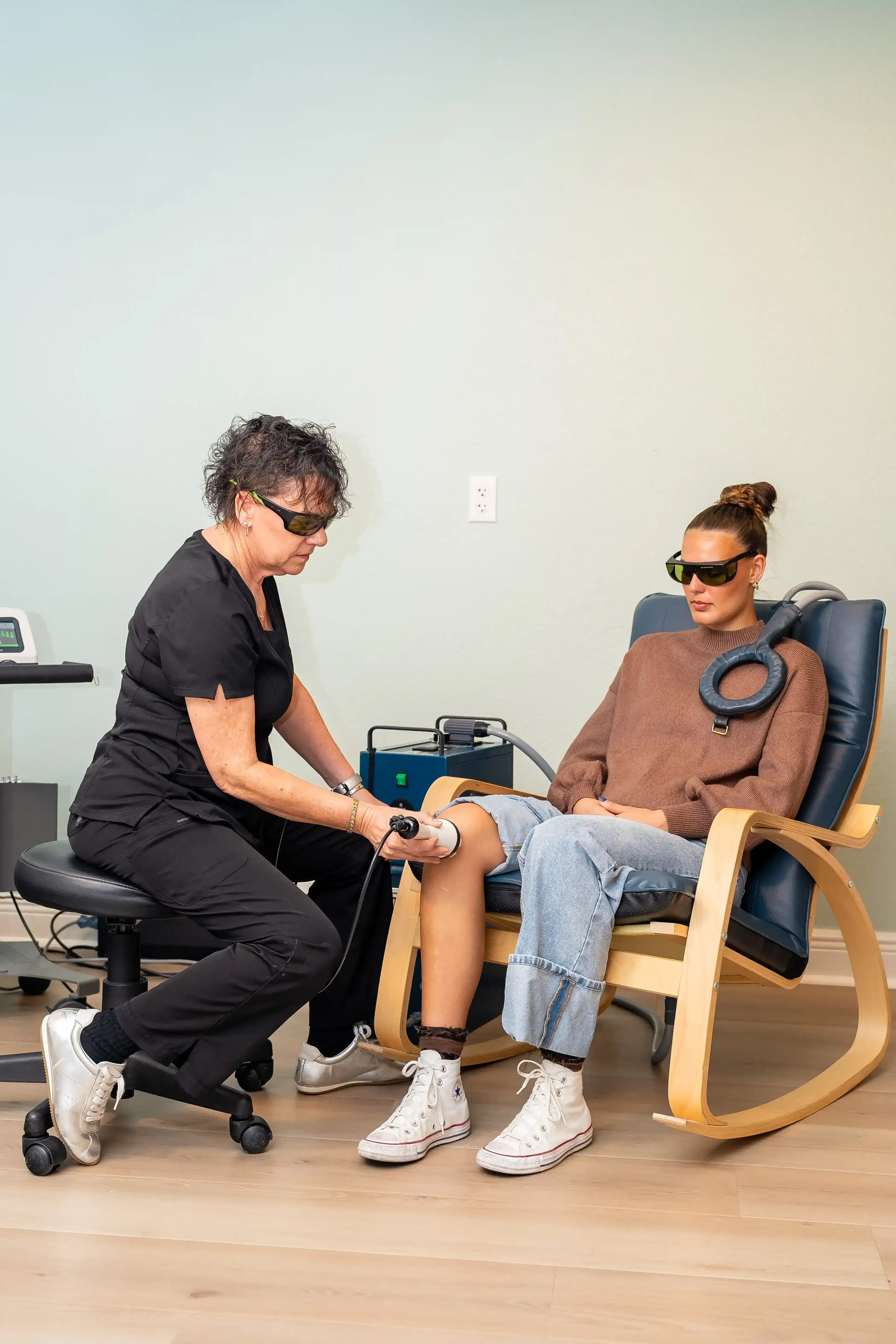
Patient exploring regenerative therapy options at Arise Integrative Wellness Port Charlotte

Recovery & Regenerative Therapies in Port Charlotte, FL

Activate Your Body's Healing Potential

Common In:Adults 35+
Primary Causes:Aging, Injury, Inflammation
Treatment Time:30-90 minutes
Results:2-12 weeks progressive
Close-up of regenerative therapy consultation at Arise Integrative Wellness

What Is Cellular Wellness?

Medically reviewed by Dr. Laura Korman, DC, DACBN and Dr. Kauffman, DC

Cellular wellness refers to the functional integrity of cells and biological systems that enable tissue repair, energy production, and adaptation to stress. This encompasses the coordinated activity of growth factors, stem cells, mitochondrial function, and inflammatory signaling pathways that collectively determine how efficiently your body heals from injury and recovers from physical demands.

When you notice that injuries take longer to heal than they once did, or that joint pain persists despite rest, you're observing the visible signs of declining cellular wellness. This condition manifests as prolonged recovery times, persistent inflammation, reduced exercise tolerance, and diminished regenerative capacity that affects both physical performance and quality of life.

Many patients describe feeling like their body is no longer bouncing back the way it used to-chronic soreness lingers, energy levels remain depleted even after adequate rest, and minor injuries that once resolved in days now take weeks. This frustrating experience reflects underlying changes in cellular repair mechanisms that require targeted intervention to restore optimal function.

Illustration of cellular repair mechanisms at Arise Integrative Wellness Port Charlotte

Why Recovery Slows Down

Understanding the Root Causes

Your body's regenerative capacity depends on growth factors-bioactive proteins secreted by platelets and cells that orchestrate tissue repair. After age 30, growth factor production declines by approximately 1-2% annually, progressively reducing the signals required for stem cell activation, collagen synthesis, and blood vessel formation at injury sites. This age-related decline fundamentally impairs the biological communication network that coordinates healing.

When growth factor signaling weakens, the cascade of repair processes slows dramatically. Stem cells remain dormant, inflammatory debris persists longer, and damaged tissue experiences delayed or incomplete regeneration. This biological slowdown translates directly into the extended recovery times and chronic symptoms many adults experience after age 35.

Chronic low-grade inflammation further disrupts regenerative signaling by creating a hostile environment for tissue repair. Persistent inflammatory molecules interfere with growth factor receptors, impair mitochondrial energy production, and shift cellular priorities from regeneration to survival mode. This combination of declining growth factors and elevated inflammation creates a compound effect that accelerates functional aging at the cellular level.

Therapies that directly stimulate cellular metabolism can help restore the biological signals required for efficient recovery. LightForce Laser Therapy uses therapeutic light energy to penetrate deep into tissues, stimulating mitochondrial activity and increasing ATP production. This enhanced cellular energy helps accelerate repair processes, improve circulation, and reduce inflammation in injured or stressed tissues.
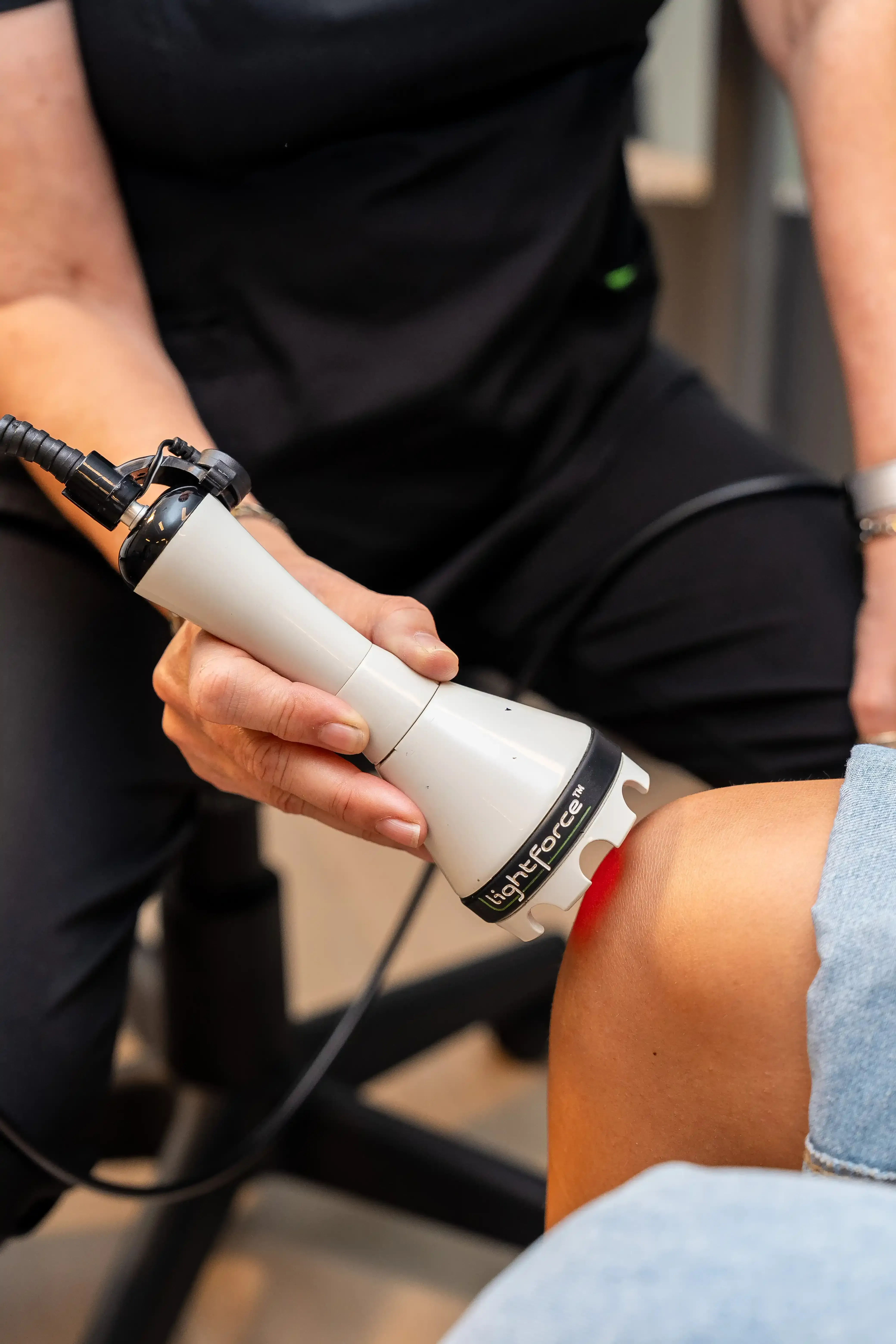

Diagram showing growth factor signaling and tissue repair at Arise Integrative Wellness

Growth Factors & Tissue Repair

How Regenerative Signaling Affects Recovery

Platelet-rich plasma contains over 800 bioactive proteins including VEGF (vascular endothelial growth factor), PDGF (platelet-derived growth factor), and TGF-beta (transforming growth factor beta) that direct stem cell migration, blood vessel formation, and collagen production at injury sites. These growth factors function as molecular instructions that coordinate the complex sequence of cellular events required for tissue regeneration.

When growth factor concentrations decline with aging or injury severity exceeds baseline repair capacity, the body's regenerative response becomes insufficient to restore full structural and functional integrity. This manifests as incomplete healing-scar tissue formation instead of organized collagen, reduced joint stability, persistent pain signals from incompletely repaired nerves, and diminished tissue quality that makes re-injury more likely.

Mitochondrial dysfunction compounds these regenerative deficits by limiting cellular energy availability. Effective tissue repair requires substantial ATP production to fuel protein synthesis, cell division, and metabolic processes. When mitochondrial efficiency declines-often accelerated by oxidative stress, nutritional deficiencies, and chronic inflammation-cells lack the energy reserves necessary to execute comprehensive repair programs, resulting in the prolonged recovery times characteristic of impaired cellular wellness.

In addition to biologic therapies like PRP, advanced laser therapy can support the cellular environment required for regeneration. LightForce Laser Therapy delivers targeted wavelengths of light that stimulate cellular photobiomodulation, improving blood flow, increasing oxygen delivery, and promoting the activation of repair pathways within damaged tissues.

Lifestyle factors affecting cellular recovery at Arise Integrative Wellness Port Charlotte

What Impairs Cellular Recovery?

Identifying Your Triggers

01

Age-Related Decline

After 30, stem cell activity and growth factor production decrease progressively, reducing the biological signals necessary for efficient tissue repair and regeneration.

02

Chronic Inflammation

Persistent inflammation disrupts regenerative pathways, interferes with growth factor signaling, and creates a cellular environment that prioritizes survival over repair.

03

Nutritional Deficiencies

Inadequate zinc, vitamin C, omega-3 fatty acids, and amino acids limit the raw materials required for collagen synthesis, immune function, and cellular membrane repair.

04

Mitochondrial Dysfunction

Impaired energy production reduces cellular capacity to execute repair programs, limiting the ATP availability necessary for protein synthesis and tissue regeneration.

05

Cumulative Injury Load

Repeated microtrauma and overuse without adequate recovery time depletes regenerative reserves and creates chronic tissue damage that exceeds baseline repair capacity.

06

Poor Sleep Quality

Growth hormone secretion peaks during deep sleep; chronic sleep disruption impairs this critical recovery window and limits nocturnal tissue repair processes.

Arise Integrative Wellness clinic interior in Port Charlotte Florida

Why Choose Arise Integrative Wellness

Expert Care in Port Charlotte

  • Root-Cause Analysis
  • Integrative Treatment Plans
  • Evidence-Based Protocols
  • Whole-Person Approach

Treatment Options Comparison

Finding Your Best Approach

Treatment Best For Session Time Results Timeline Maintenance
Regenerative Medicine Joint and tissue repair 45-60 min 2-6 weeks progressive Every 6-12 months
LightForce Laser Therapy Inflammation reduction & accelerated tissue healing 10-20 min 1-4 weeks As needed
Functional Medicine with Emsculpt Neo Promotes muscle recovery & functional strength 30 min 2-4 weeks Every 3-6 months
Chiropractic Care Structural alignment 30-45 min Immediate to 2 weeks Monthly to quarterly
Nutrition Counseling Cellular fuel optimization 45-60 min 3-8 weeks Monthly check-ins
Patient concerned about slow recovery at Arise Integrative Wellness

You May Benefit from Regenerative Therapies If...

Recognizing When to Seek Help

  • Slow Healing
  • Persistent Joint Pain
  • Chronic Fatigue
  • Reduced Exercise Tolerance
  • Recurrent Injuries
  • Systemic Inflammation

Frequently Asked Questions

About Recovery & Regenerative Therapies

01 What is PRP therapy and how does it support recovery?

PRP (platelet-rich plasma) therapy uses concentrated platelets from your own blood to deliver high concentrations of growth factors directly to damaged tissues. These bioactive proteins stimulate stem cell activity, accelerate collagen synthesis, and promote blood vessel formation, enhancing your body's natural regenerative capacity for faster, more complete healing.

02 How does functional medicine complement regenerative treatments?

Functional medicine identifies underlying metabolic, nutritional, and hormonal factors that impair cellular wellness. By addressing root causes like nutrient deficiencies, mitochondrial dysfunction, and chronic inflammation through personalized protocols, we optimize the internal environment for regenerative therapies to achieve maximum effectiveness.

03 How long does it take to see results from regenerative therapies?

Results vary by therapy and individual condition. Many patients notice initial improvements in pain and function within 2-4 weeks, with progressive tissue remodeling continuing for 8-12 weeks. Functional medicine interventions typically show measurable changes in energy and inflammation within 4-8 weeks as cellular metabolism optimizes.

04 Can regenerative therapies help with chronic pain?

Yes, regenerative approaches like PRP target damaged tissues directly, promoting structural repair rather than just masking symptoms. When combined with functional medicine to address inflammatory triggers and nutritional deficiencies, many patients experience sustained pain reduction as underlying tissue quality improves.

05 What role does nutrition play in cellular recovery?

Nutrition provides the building blocks for tissue repair—amino acids for protein synthesis, omega-3s for cell membrane integrity, vitamins and minerals as enzyme cofactors. Deficiencies in key nutrients like vitamin C, zinc, or B vitamins can significantly impair healing capacity, making nutritional optimization essential for regenerative success.

06 Is it normal for recovery to slow as I age?

Age-related decline in growth factor production and stem cell activity is biologically normal, but not inevitable or irreversible. Targeted regenerative interventions can substantially enhance healing capacity even in older adults by supplementing natural growth factors and addressing metabolic factors that accelerate aging.

07 Can multiple regenerative treatments be combined?

Yes, integrative protocols that combine structural interventions (like chiropractic care or PRP), metabolic support (functional medicine), and nutritional optimization often produce superior outcomes compared to single-therapy approaches. Our team designs comprehensive plans that address cellular wellness from multiple therapeutic angles.

08 When should I seek professional help for slow recovery?

If injuries consistently take longer to heal than expected, chronic pain persists despite conservative treatment, or you notice progressive decline in exercise tolerance and energy levels, professional evaluation can identify underlying factors impairing regenerative capacity and develop targeted interventions to restore optimal cellular function.

Location16954 Toledo Blade Blvd
Port Charlotte, FL, 33954

Schedule Your Consultation

Scientific References

  1. PubMed (PMID: 33328614) - Cellular senescence in aging disrupts tissue regeneration through impaired stem cell function and inflammatory secretory profiles, with emerging senolytic therapies offering therapeutic opportunities.
  2. PubMed (PMID: 32110683) - Mesenchymal stem cells and regenerative therapies demonstrate strong potential for tissue repair through immunomodulatory properties, proliferation capacity, and growth factor secretion.
  3. PubMed (PMID: 31651966) - Functional medicine model of care demonstrated significant and sustainable improvements in patient-reported health-related quality of life compared to standard primary care.
  4. PubMed (PMID: 37820585) - Current advancements in platelet-rich plasma therapy show level I evidence supporting efficacy for osteoarthritis, tendinopathy, and musculoskeletal tissue regeneration.
  5. PubMed (PMID: 28628672) - Mitochondrial dysfunction contributes significantly to age-related decline in tissue repair capacity, with targeted nutritional interventions showing promise for enhancing cellular energy production.