



Patient receiving neuropathy evaluation at Arise Integrative Wellness in Port Charlotte, FL

Neuropathy Treatment in Port Charlotte, FL

Restore nerve function and reduce pain naturally

Affects:Over 20 million Americans
Common In:Adults 50+ with diabetes
Root Causes:Metabolic, nutritional, spinal
Our Approach:Drug-free integrative care
Diagram illustrating peripheral nerve pathways affected by neuropathy

What Is Peripheral Neuropathy?

Medically reviewed by Dr. Laura Korman, DC, DACBN and Dr. Kauffman, DC

Neuropathy treatment in Port Charlotte, FL addresses peripheral nerve damage that disrupts the transmission of signals between your brain, spinal cord, and the rest of your body. This condition affects over 20 million Americans, causing symptoms ranging from mild tingling to debilitating pain that significantly impacts quality of life.

When you experience burning sensations, numbness, or sharp shooting pains in your hands or feet, you are feeling the effects of damaged peripheral nerves struggling to communicate properly with your central nervous system. These symptoms often begin gradually but progressively worsen without appropriate intervention.

Many patients in Port Charlotte, Punta Gorda, and North Port describe neuropathy as feeling like their extremities are "asleep" even when fully awake, or experiencing intense burning pain that disrupts sleep and daily activities. The frustration of dropping objects due to loss of grip strength or stumbling because you cannot feel the ground beneath your feet creates a cycle of anxiety and diminished independence.

Visual representation of metabolic and structural factors contributing to neuropathy

Why Peripheral Neuropathy Develops

Understanding the Root Causes

Peripheral nerves depend on consistent blood flow, proper nutrient delivery, and structural integrity to function correctly. When blood vessels narrow due to diabetes or metabolic dysfunction, nerves become starved of oxygen and essential nutrients. Research shows that up to 50% of diabetic patients eventually develop some degree of neuropathy as prolonged elevated blood sugar damages both nerve fibers and the protective myelin sheath surrounding them.

This metabolic damage triggers a cascade of inflammatory responses that further compromise nerve function. As damaged nerves attempt to repair themselves in this hostile environment, they often misfire, sending false pain signals or failing to transmit critical sensory information about temperature, pressure, and position.

Beyond metabolic factors, spinal misalignments can compress nerve roots as they exit the spine, creating what appears to be peripheral neuropathy but actually originates from structural problems in the spine. This is why chiropractic care plays a crucial role in comprehensive neuropathy treatment, addressing both spinal nerve compression and supporting overall nervous system function.

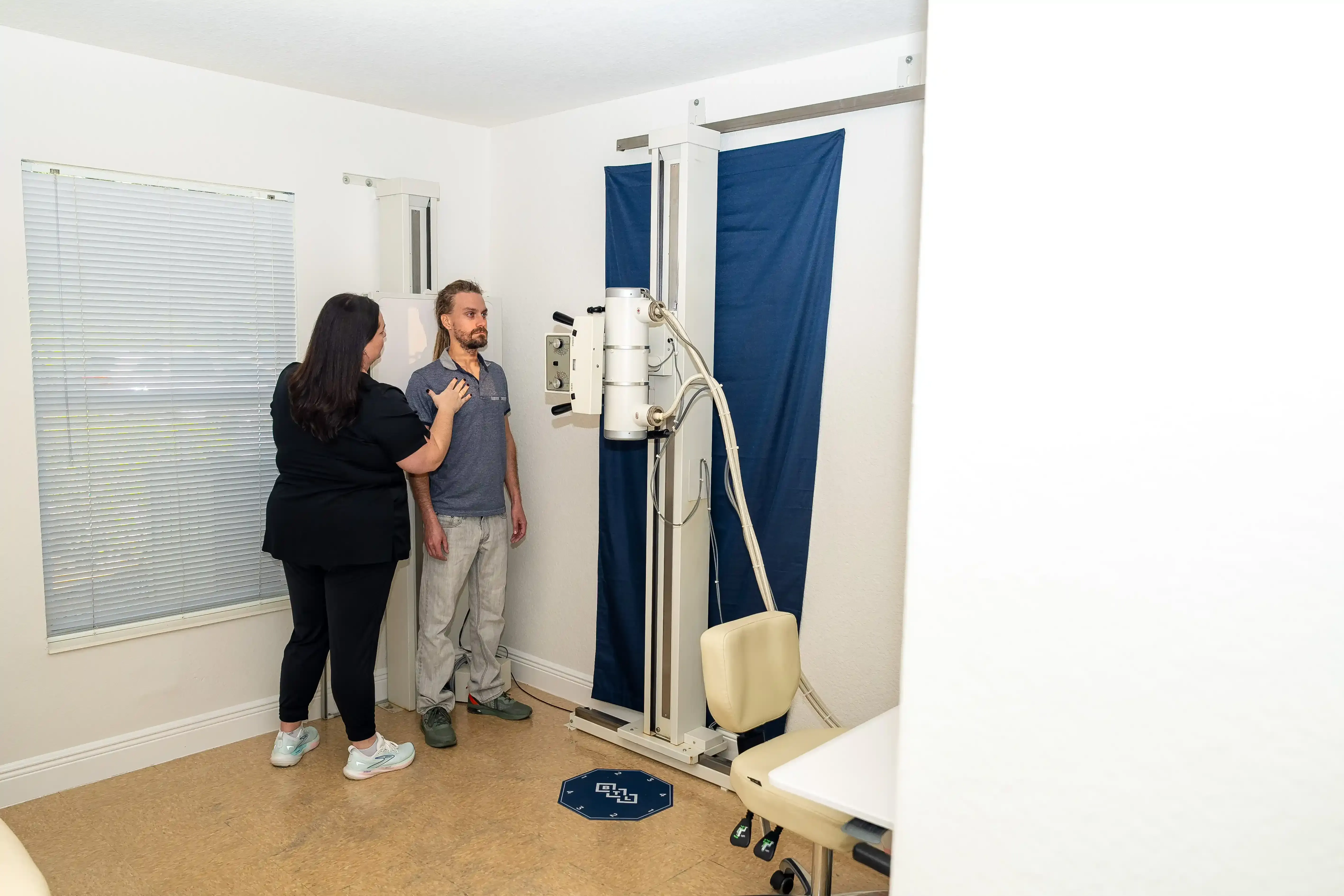
Diagram showing nutritional factors essential for nerve health and repair

The Nutritional Connection to Nerve Health

How Deficiencies Damage Peripheral Nerves

Peripheral nerves require specific B vitamins, particularly B1 (thiamine), B6 (pyridoxine), and B12 (cobalamin), to maintain their protective myelin coating and facilitate proper signal transmission. Vitamin B12 deficiency alone can cause severe neuropathic symptoms that mimic diabetic neuropathy, even in patients with normal blood sugar levels.

When these essential nutrients are insufficient, nerve fibers lose their protective insulation and become hypersensitive, generating the burning, tingling sensations characteristic of neuropathy. This nutritional damage occurs gradually, often going undetected until symptoms become severe. Studies published in peer-reviewed medical journals demonstrate that correcting B-vitamin deficiencies can significantly improve neurophysiological measures and reduce neuropathic pain.

At Arise Integrative Wellness, Dr. Korman's clinical nutrition certification (DACBN) enables precise identification of nutritional deficiencies through advanced blood chemistry analysis. This diagnostic capability allows for targeted supplementation protocols that address the root cause of nerve damage rather than simply masking symptoms with medications.

Infographic showing major categories of neuropathy causes and risk factors

What Accelerates Peripheral Neuropathy?

Identifying Your Risk Factors

01

Metabolic & Diabetic

Diabetes damages nerves through prolonged elevated blood sugar levels that compromise blood vessel function and trigger inflammatory responses affecting nerve tissue.

02

Nutritional Deficiency

Deficiencies in vitamins B1, B6, B12, and E impair nerve repair mechanisms and protective myelin production, leading to progressive nerve damage.

03

Spinal Misalignment

Vertebral subluxations compress nerve roots as they exit the spine, creating symptoms that mimic peripheral neuropathy while also affecting overall nervous system health.

04

Autoimmune Disorders

Conditions where the immune system mistakenly attacks nerve tissue, causing inflammation and progressive nerve damage requiring specialized functional medicine intervention.

05

Toxin Exposure

Certain medications, heavy metals, and environmental toxins can directly damage peripheral nerves or interfere with essential metabolic processes required for nerve health.

06

Chronic Inflammation

Persistent systemic inflammation from various sources damages small blood vessels that supply peripheral nerves, gradually impairing nerve function and regeneration capacity.

Modern treatment room at Arise Integrative Wellness in Port Charlotte, FL

Why Choose Arise Integrative Wellness for Neuropathy Treatment

Comprehensive Care in Port Charlotte

  • Root-Cause Diagnosis
  • Dual-Provider Expertise
  • Drug-Free Protocols
  • Whole-Body Integration

Treatment Options for Neuropathy

Finding Your Best Approach

Treatment Best For Session Time Results Timeline Maintenance
Chiropractic Care Spinal nerve compression 30-45 minutes 4-8 weeks Weekly to monthly
Upper Cervical Chiropractic Brainstem neural signaling 20-30 minutes 4-12 weeks Monthly adjustments
Functional Medicine Metabolic and nutritional causes 60-90 minutes initial 6-12 weeks Quarterly monitoring
Portrait of a patient discussing neuropathy symptoms during consultation

You May Be Experiencing Neuropathy If...

Recognizing When to Seek Help

  • Tingling or Numbness
  • Burning or Shooting Pain
  • Muscle Weakness
  • Extreme Sensitivity
  • Balance Problems
  • Progressive Symptoms

Frequently Asked Questions About Neuropathy Treatment

Answers to Your Concerns

01 Can chiropractic care actually help with neuropathy symptoms?

Yes. Research shows that spinal manipulation improves nerve conduction velocity and reduces pain by relieving compression on nerve roots, improving blood flow to peripheral nerves, and supporting overall nervous system function. Many patients experience measurable symptom improvement within 4 to 8 weeks of consistent chiropractic care combined with nutritional support.

02 What makes your approach different from medication management?

Medications like gabapentin mask symptoms without addressing underlying causes of nerve damage. Our integrative approach identifies and corrects the metabolic, nutritional, and structural factors causing neuropathy, supporting actual nerve healing rather than simply blocking pain signals. This addresses the root cause while helping you avoid long-term medication dependency and side effects.

03 How long before I notice improvement in my symptoms?

Most patients notice improvements within 4 to 8 weeks, often beginning with reduced pain intensity and improved sleep quality. Sensory improvements and strength gains typically develop more gradually over 8 to 16 weeks as damaged nerves regenerate. The timeline depends on neuropathy severity, underlying causes, and treatment protocol adherence.

04 Can neuropathy be reversed, or is the damage permanent?

Early-stage neuropathy often responds well to treatment when underlying causes are addressed, with many patients experiencing significant symptom reduction and functional improvement. Advanced neuropathy with severe nerve damage may not completely reverse, but progression can be halted and symptoms substantially reduced through comprehensive care addressing metabolic, nutritional, and structural factors.

05 What role does nutrition play in neuropathy treatment?

B vitamins (especially B1, B6, and B12) are essential for nerve repair and myelin production. Clinical studies demonstrate that correcting deficiencies significantly improves neurophysiological measures and reduces neuropathic pain. Dr. Korman's clinical nutrition certification enables precise identification of deficiencies through advanced blood chemistry analysis and targeted supplementation protocols.

06 How do you determine the cause of my neuropathy?

We use comprehensive functional testing including advanced blood chemistry analysis, neurological examination, spinal assessment, and detailed health history review. This multi-faceted approach identifies whether your neuropathy stems from metabolic dysfunction, nutritional deficiencies, spinal nerve compression, or a combination of factors, enabling precise treatment protocols.

07 Will I need ongoing treatment, or is neuropathy care temporary?

Initial intensive care typically lasts 8 to 16 weeks, followed by maintenance protocols tailored to your underlying causes. Patients with metabolic causes may need ongoing nutritional support and monitoring, while those with structural issues benefit from periodic chiropractic adjustments. Long-term management prevents progression and maintains improvements achieved during active care.

08 Can neuropathy treatment help with balance problems and fall risk?

Yes. As nerve function improves and proprioception (your sense of body position) is restored, many patients experience better balance and coordination. Combining nerve healing protocols with specific balance exercises and addressing spinal alignment issues that affect equilibrium significantly reduces fall risk in neuropathy patients.

Location16954 Toledo Blade Blvd
Port Charlotte, FL, 33954

Schedule Your Consultation

Scientific References

  1. PubMed (PMID: 33284680) - Peripheral neuropathy is independently associated with increased all-cause and cardiovascular mortality in U.S. adults, even among those without diabetes.
  2. PubMed (PMID: 33786932) - Spinal manipulation reduces pain partly through spinal segmental mechanisms and peripheral inflammatory regulation pathways.
  3. PubMed (PMID: 32722436) - Systematic review found evidence supporting vitamin B12 as a therapeutic intervention for peripheral neuropathic pain conditions.
  4. PubMed (PMID: 33513879) - One-year randomized double-blind trial demonstrated that oral methylcobalamin supplementation improved neurophysiological measures, pain scores, and quality of life in diabetic neuropathy.
  5. PubMed (PMID: 33619867) - Meta-analysis confirmed peripheral neuropathy is associated with reduced B12 levels and elevated homocysteine, with B-vitamin treatment showing beneficial results.
  6. PubMed (PMID: 38641202) - Updated evidence-based recommendations for neuropathic pain treatment, establishing current clinical standards for pharmacologic and non-pharmacologic interventions.
  7. PubMed (PMID: 30867144) - Systematic review and meta-analysis of 47 randomized controlled trials found spinal manipulative therapy produces comparable effects to recommended therapies for chronic pain conditions.