


Pain normally resolves within days to weeks as injured tissues heal through the body's natural repair processes. However, in approximately 20-25% of acute injuries, the nervous system undergoes neuroplastic changes that perpetuate pain signals long after tissue damage has resolved. This transition from acute to chronic pain involves sensitization of nerve pathways, where pain-sensing neurons become hyperresponsive to normal stimuli.
This central sensitization creates a cascade effect where the spinal cord and brain amplify incoming pain signals, making normal sensations feel painful - a phenomenon called allodynia. The nervous system essentially "learns" to be in pain, creating persistent discomfort even when tissues have healed. Inflammatory molecules released by damaged tissues further sensitize nerve endings, creating a self-perpetuating cycle.
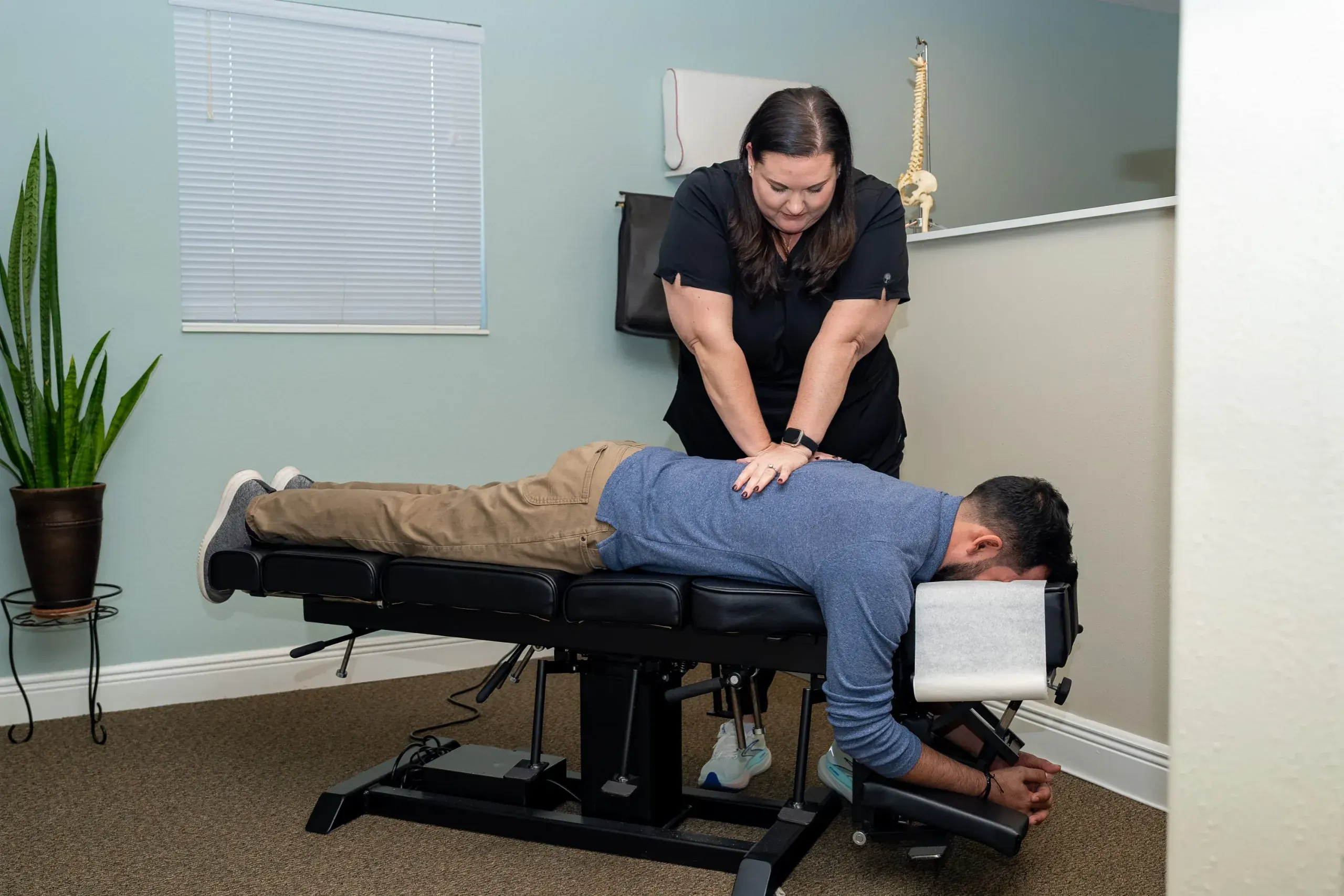
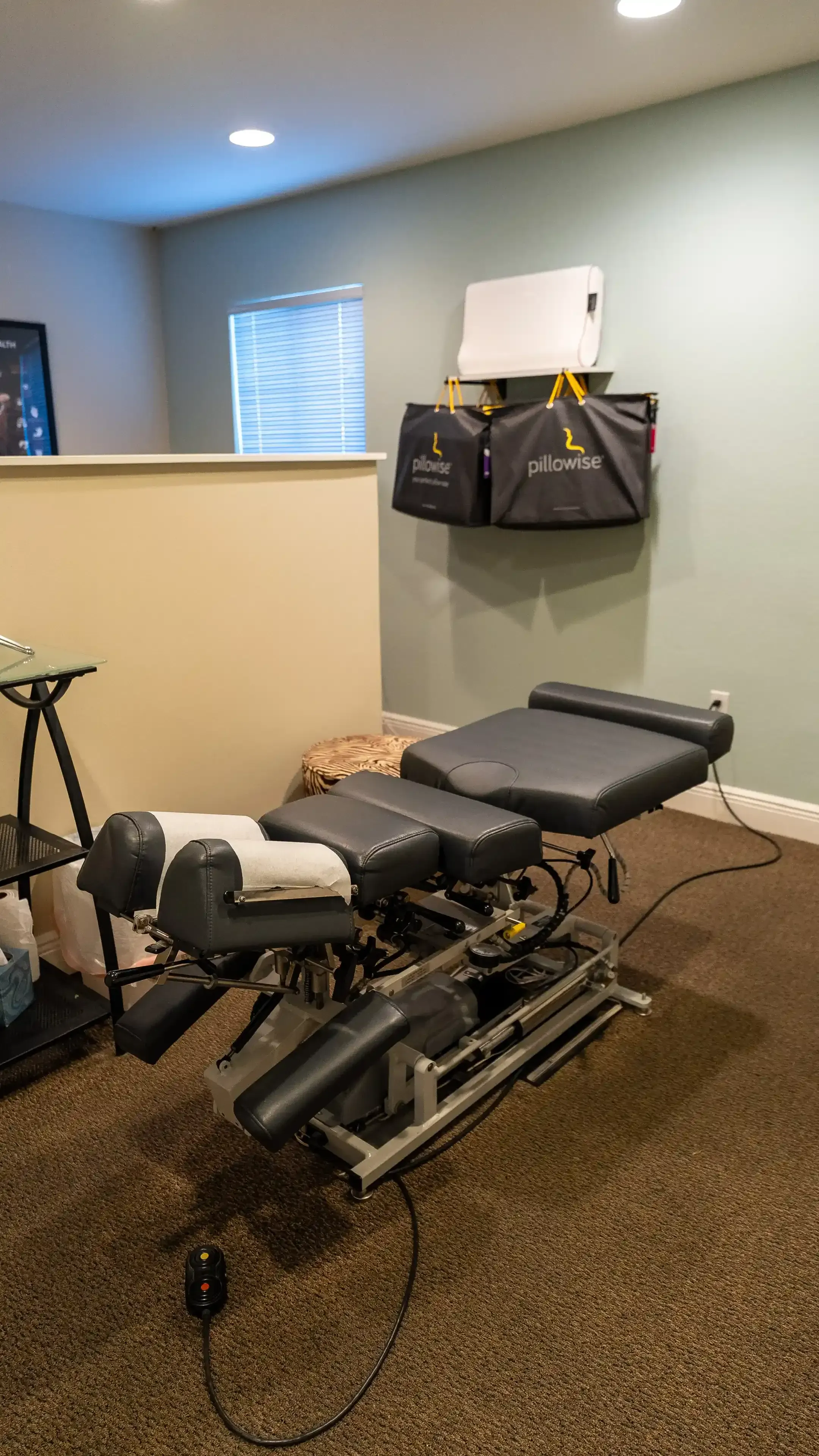
At the structural level, degenerative changes in spinal discs, joints, and surrounding tissues provide ongoing sources of irritation to nerve pathways. When a herniated disc presses against a spinal nerve or arthritic joints create bone-on-bone friction, the resulting mechanical irritation feeds the chronic pain cycle. Our spinal decompression treatments target these mechanical sources of nerve irritation.
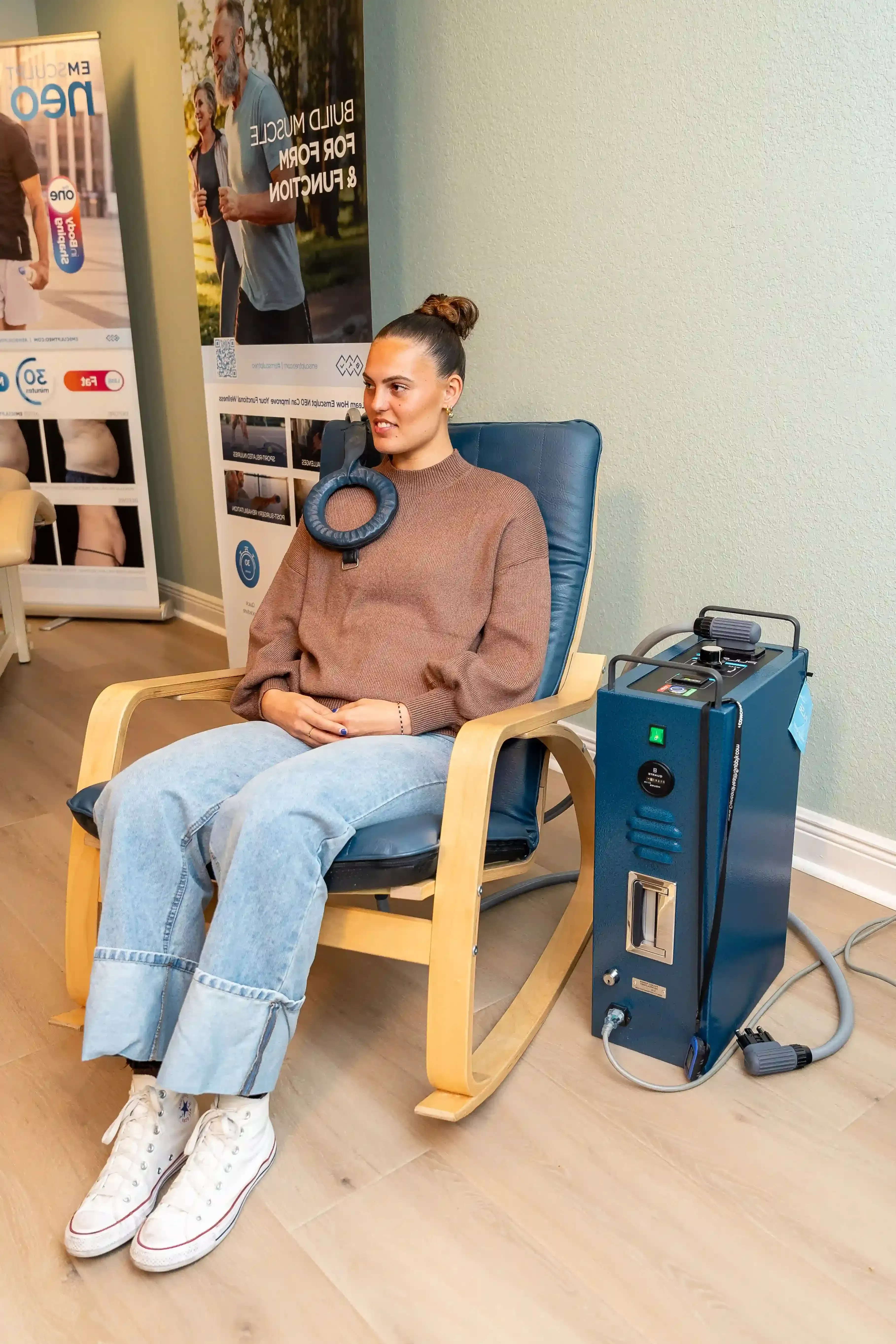
Non-invasive therapies that support nerve and tissue recovery can also help interrupt this pain cycle. PEMF therapy works by delivering low-frequency electromagnetic pulses that stimulate cellular repair mechanisms and improve blood flow in injured tissues. This helps promote recovery at the cellular level while reducing the nerve hypersensitivity that often maintains chronic pain.